Resilience in Everyday Life: Johanna Zeller
In this interview, Johanna Zeller, founder of BETTER VIBES, offers fascinating insights into the importance of inner stability and emotional balance. She explains why it’s especially important in these fast-paced times to consciously nurture our connection to ourselves. She also shows how we can bring more serenity and clarity into our daily lives with simple practices. In doing so, she shares valuable insights from her work and her personal journey. An inspiring conversation for anyone who wants to reconnect with themselves.

What motivates someone who teaches resilience?
Through my company, BETTER VIBES, I help individuals, teams, and organizations strengthen their inner balance and resilience. My journey took me through the hotel and tourism industry and into leadership roles, until I realized that I wanted to use my experience to help people reconnect with themselves.
Today I live in the mountains, exercise daily, enjoy mountain sports, and go ice bathing regularly. In my work, I combine coaching, authentic connections, and self-reflection. For me, this is the key to understanding oneself better.
Resilience is a widely used term. What does it mean to you in everyday life?
For me, resilience isn’t something abstract—quite the opposite. To me, it’s the ability to cope with life’s ups and downs without losing touch with yourself.

To me, resilience doesn't mean always being strong. It's about allowing yourself to feel tired, overwhelmed, or insecure—and still staying connected to yourself.
Why do many people not realize until it's too late that they've reached their limits?
I think it’s because we learn early on to be productive and to persevere. Many people are used to being there for others, meeting expectations, and taking on responsibility. In the process, our own needs often take a back seat. That’s why we often don’t notice our inner warning signs until they can no longer be ignored. Often, the body reacts first—with poor sleep, irritability, trouble concentrating, or a constant sense of inner restlessness.
So, to get specific: What helps?
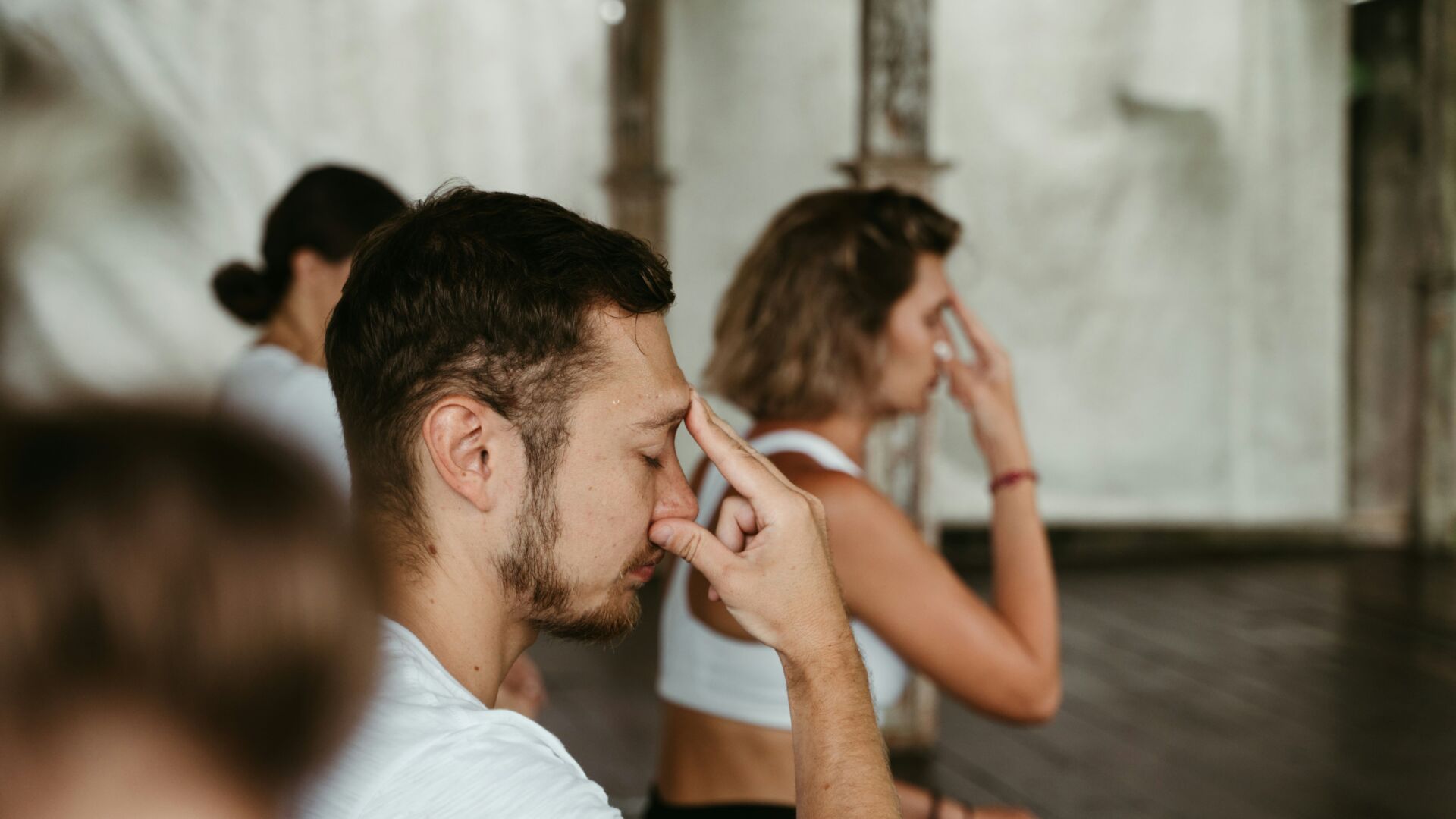
It’s not the big changes, but the small, regular rituals. A walk, conscious breathing, clear breaks, or a steady sleep schedule can already make a big difference. Important: It’s all about consistency. The nervous system learns through repetition, and that is precisely the key to lasting recovery.
So recovery is especially crucial in our high-performance society…
Absolutely. True performance isn’t possible without recovery.

Any final advice?
I'd say: don't wait. Start taking yourself seriously again, take small steps, and honestly figure out what's really good for you.
Conclusion: Resilience Also Requires Regeneration
In conversation with Johanna Zeller, it becomes clear that resilience doesn’t arise solely from mental techniques. It develops when we learn to alternate between tension and relaxation. Our article“The Underestimated Art of Revitalization” is dedicated to precisely this interplay. Here you can read why resilience is closely linked to the nervous system, how warmth supports recovery, and why stress management has less to do with avoidance than with conscious regulation.
Even More Inspiration for Greater Inner Balance
If you’d like to delve deeper into the topics of resilience, regeneration, and the nervous system, you’ll find more fascinating articles in Küng Magazine. In the interview “Biohacking: The Attempt to TrulyUnderstandOne’s Own Body,”biohacker Rolf Dudaexplainswhy sleep is the most important foundation for health, how breathing exercises directly affect our nervous system, and why targeted stimuli like saunas and ice baths train the body’s adaptability. Particularly fascinating: his assessment of why recovery is more important today than ever before.
The articles“Recovery: The Underestimated Art of Revitalization,”“Post-Workout Regeneration: Effectively Promoting Muscle Recovery,”and “KEEN x Küng: “Here, Social Wellness Becomes a New Form of Recovery” highlight various ways to achieve regeneration: from physical rest to social connection to mindful rituals in everyday life. Together, they make it clear: Resilience arises from the ability to consciously recharge time and again.
FAQ
What exactly is resilience?
Resilience is the ability to cope with challenges, stress, and change without losing one’s balance in the long run. It’s not about enduring everything, but about remaining flexible and adaptable.
Can resilience be learned?
Yes. Resilience is not an innate trait; rather, it develops through experience, self-reflection, and conscious habits. Everyone can strengthen it step by step.
How can I tell when my resilience is running low?
Typical signs include persistent fatigue, irritability, trouble concentrating, poor sleep, or the feeling that you’re just going through the motions. Often, the body shows these signs before the mind does.
Is resilience the same as strength?
No. Resilience doesn't mean always being strong. Rather, it's about being able to recognize and accept weakness, uncertainty, or feeling overwhelmed.
What role does the body play in this?
A very big one. Our nervous system determines whether we feel tense or relaxed. Movement, breathing, sleep, and intentional breaks help regulate the body and, in turn, strengthen our inner stability.
What are some simple ways to build resilience in everyday life?
Small, regular rituals are particularly effective: walks, short breaks, conscious breathing, getting enough sleep, or taking a break from digital devices. Consistency is key.
How important is rest, really?
Very important. Recovery is not a reward, but rather a prerequisite for maintaining performance over the long term. Without recovery, the risk of overexertion increases significantly.
What is the difference between relaxation and “doing nothing”?
True relaxation is a conscious process. It calms the body and mind and helps restore energy. Simply “switching off” without truly relaxing—such as by endlessly scrolling—often doesn’t have the same effect.
How long does it take to build resilience?
Resilience doesn't happen overnight. It develops through continuous small steps and repeated experiences in everyday life.
What is the most important factor for sustainable resilience?
The combination of experience and self-reflection. Those who consciously recognize what gives them strength and what weighs them down can become more stable and composed over the long term.