Recovery After Exercise: Effectively Promoting Muscle Recovery
An active lifestyle is the key to health and well-being. Proper recovery after exercise is crucial for preventing injuries and maintaining performance. After an intense workout, the body needs targeted support to recover from the strain and emerge from the workout stronger. Adequate recovery after exercise is essential. Gentle movement, relaxation, and at least 24 hours of rest between intense workouts help the muscles recover, prevent soreness, and become stronger over time. In this article, you’ll learn how to optimally support your muscle recovery.

Muscle Recovery: Why Is It Important?
Muscle recovery is crucial for preventing injuries after intense physical activity, such as sports, and for maintaining long-term muscle health. During exercise, micro-tears occur in the fine muscle fibers, which must be repaired through targeted recovery measures. If left untreated, these small tears and strains can lead to more serious problems, such as muscle soreness, muscle strains, or even severe muscle tears, which could require a prolonged break from training. Therefore, it is crucial to take the right steps for post-workout recovery to effectively repair muscle tissue and promote muscle regeneration, so that muscles are strengthened for future challenges.
Recovery After Exercise: The Most Important Steps
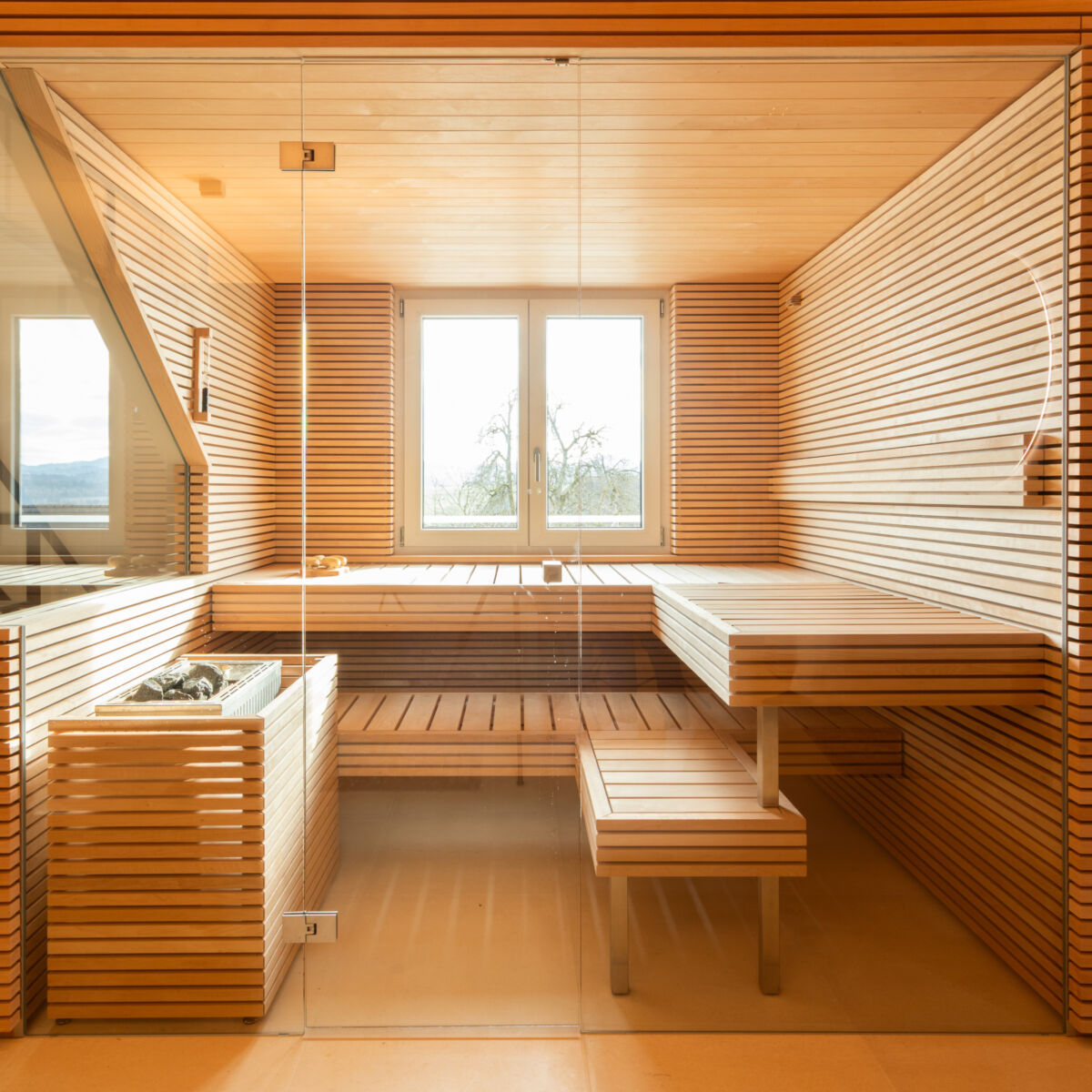
In an active lifestyle, recovery after exercise or other physical activity plays a central role. This is especially important for athletes who want to maintain their performance over the long term. One particularly effective method of recovery after exercise is visiting a sauna. Having a sauna in your own home is especially convenient, since after a home workout or a session at the gym, you can go straight to the sauna in the privacy of your own home to recover from the physical exertion.
The heat in the sauna relaxes the muscles, relieves tension, and stimulates blood circulation. This promotes the elimination of metabolic waste products and helps the body recover more quickly. Especially after an intense workout, a visit to the sauna can help prevent muscle soreness and speed up recovery.
- Adequate Sleep as a Foundation: Sleep is one of the most important recovery measures of all. During sleep, the body produces growth hormones, which are crucial for muscle fiber repair and muscle growth. A lack of sleep can severely impair recovery and prolong the recovery time after a workout.
- Proper Nutrition for Muscle Recovery: A balanced diet is not only important for overall health but also plays a crucial role in muscle recovery. Proteins, which serve as the building blocks of muscle, are particularly important. After a workout, protein-rich foods such as lean meat, fish, eggs, or plant-based protein sources like legumes and tofu should be included in your diet.
- Active Recovery and Recovery Exercises: Light exercise and specific recovery activities can support recovery after exercise without putting additional strain on the muscles. Popular recovery activities include swimming, cycling, yoga, and Pilates. These activities promote blood circulation and relax the muscles, which in turn speeds up recovery.
- Sauna as a recovery method: Visiting a sauna is an effective way to recover after intense training. The heat relaxes the muscles, relieves tension, and promotes blood circulation. This aids in the elimination of metabolic waste products and helps the body recover more quickly. Especially in Switzerland, known for its high-quality sauna facilities, sauna construction provides optimal conditions for targeted recovery.
- Cool-Down After a Workout: After a workout, it’s important to take time for a cool-down. Light stretching exercises and slow movements help gradually lower your heart rate and gently relax your muscles. This supports recovery and helps prevent muscle soreness.

Promoting Muscle Growth Through Targeted Measures
- Stretching and Massages for Relaxation
Stretching exercises and targeted massages can relieve tension and improve blood flow to the muscles. These sessions help speed up recovery and reduce the risk of muscle injuries. - Cold and Heat Therapy for Recovery
Contrast showers, cold therapy, or heat packs can help reduce inflammation and relax the muscles after a workout. Cold treatments can reduce swelling and inflammation, while heat promotes blood flow and loosens the muscles.
Relaxation After Exercise: Time for Body and Mind
In addition to physical measures, mental recovery after exercise is also important. After an intense workout, it’s essential to consciously relax the body to support recovery and achieve the best possible results. Conscious relaxation after exercise over a 24-hour period can be particularly helpful in recharging both the mind and the body.
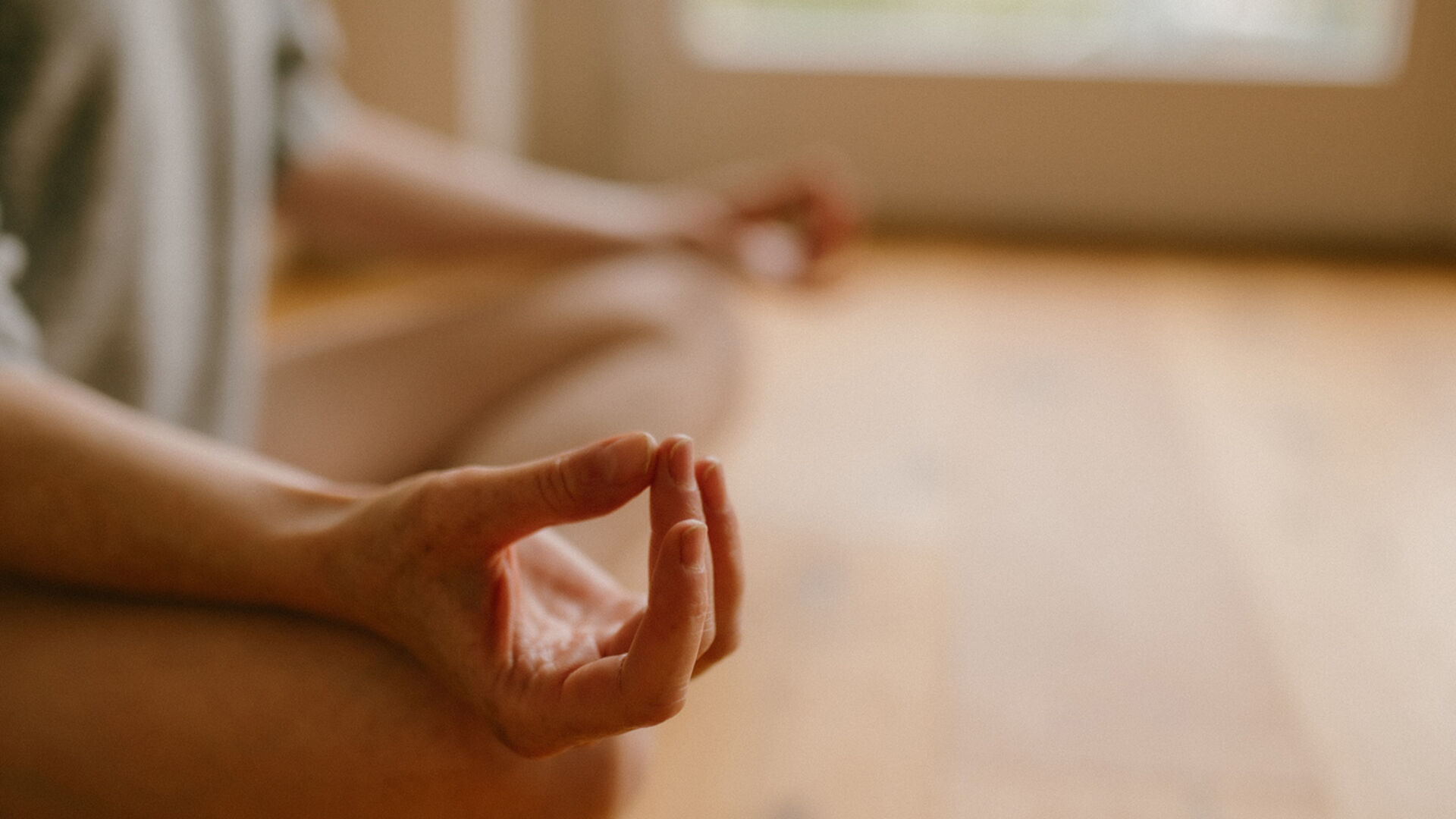
- Breathing Techniques and Meditation
Deep breathing and meditation can lower stress levels and promote the recovery of the entire body. Regular meditation helps bring the mind and body into harmony and supports muscle recovery. - Sauna or Spa Baths
Sauna sessions or warm baths can work wonders after exercise. The heat loosens the muscles, promotes blood circulation, and thus accelerates recovery. Additionally, alternating between warm and cold (cold water pools or cold showers) helps optimize recovery.

Recovery after exercise is the key to success
Recovery after exercise isn’t just a break—it’s an active phase during which the body repairs and rebuilds itself. Through targeted measures such as getting enough sleep, eating a healthy diet, doing active recovery exercises, and practicing relaxation techniques, you can effectively promote muscle recovery. Particularly helpful are activities such as taking a sauna after exercise or a soothing ice bath, both of which promote blood circulation and relax the muscles. These techniques reduce stress and speed up recovery.
The duration of the recovery phase is crucial: Breaks that are too short are often insufficient and can lead to muscle soreness, while adequate recovery time strengthens the muscles and boosts performance. Invest in your recovery to get back in shape faster and improve your performance in the long term.
If you’d like to learn more about how to optimally recover your muscles and which specific methods can help you do so, you should definitely explore the options for building a sauna in Switzerland. Treat yourself to this soothing break after your workout and actively support your health and well-being.