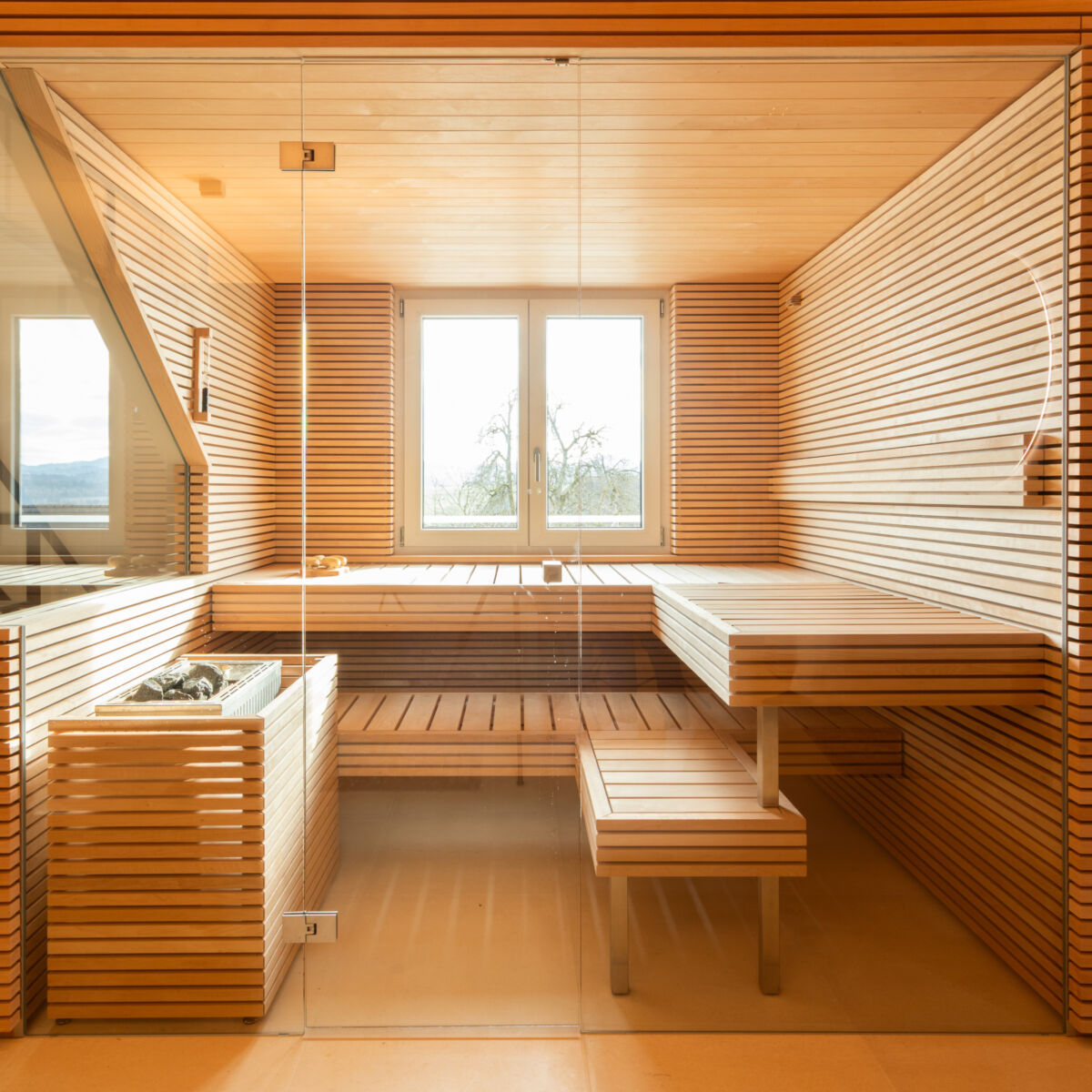
The Art of Letting Go of Stress and How Taking a Sauna Helps.
For many people, stress has become a constant background noise in everyday life. Deadlines, responsibilities, the need to be constantly available—much of this cannot simply be “breathed away.” This is precisely where resilience begins—the ability to manage stress and regain stability time and again. Resilience is often described as mental strength. But it doesn’t arise solely in the mind. It grows through the interplay of the nervous system, the body, and intentional breaks—for example, in places where warmth, tranquility, and seclusion come together. In the sauna, this interplay becomes palpable. Anyone who wants to manage stress over the long term must learn to include the body in the process.

Stress Management: Regulate Instead of Avoid
Stress in and of itself isn't a bad thing. In the short term, it energizes us, making us more productive, alert, and present. It becomes a problem when the body can no longer return to a state of relaxation—that is, when tension becomes a permanent condition. Effective stress management, therefore, does not mean eliminating stress, but rather enabling regulation.
- between arousal and rest
- between challenge and recovery
- between the external and the internal
Methods such as exercise, mindful breathing, or sleep are well known. Less obvious, but scientifically well-documented, is the role of warmth.
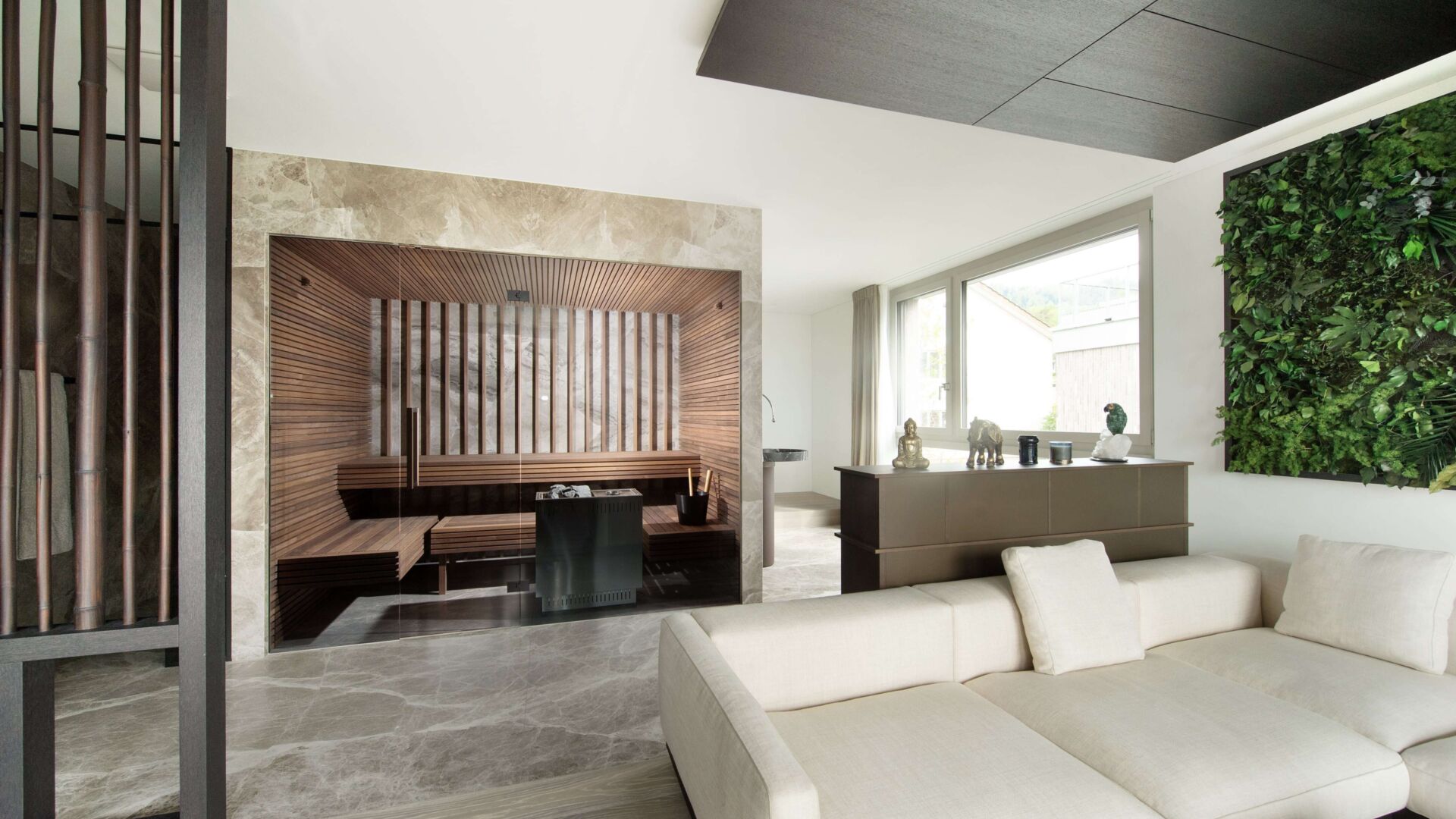
This alternation between arousal and relaxation naturally trains the autonomic nervous system. In the process, the body learns that increased activity, stress, or tension do not pose a threat, but are temporary states that can be safely managed. At the same time, it fosters the ability to return to a state of calm and rest. In this way, the body learns to switch flexibly between tension and relaxation—an important foundation for resilience, well-being, and inner balance.

Warmth as a Counterbalance to Constant Tension
Many people today live in a state of constant inner coldness: functional, tense, controlled. Warmth counteracts this. It opens us up, slows us down, and helps us let go.
In the sauna, you’re allowed to simply do nothing, make no decisions, and above all: not try to optimize anything. The body takes over, and the nervous system regulates itself. This experience is central to resilience: feeling that you don’t have to constantly “function” in order to remain stable.
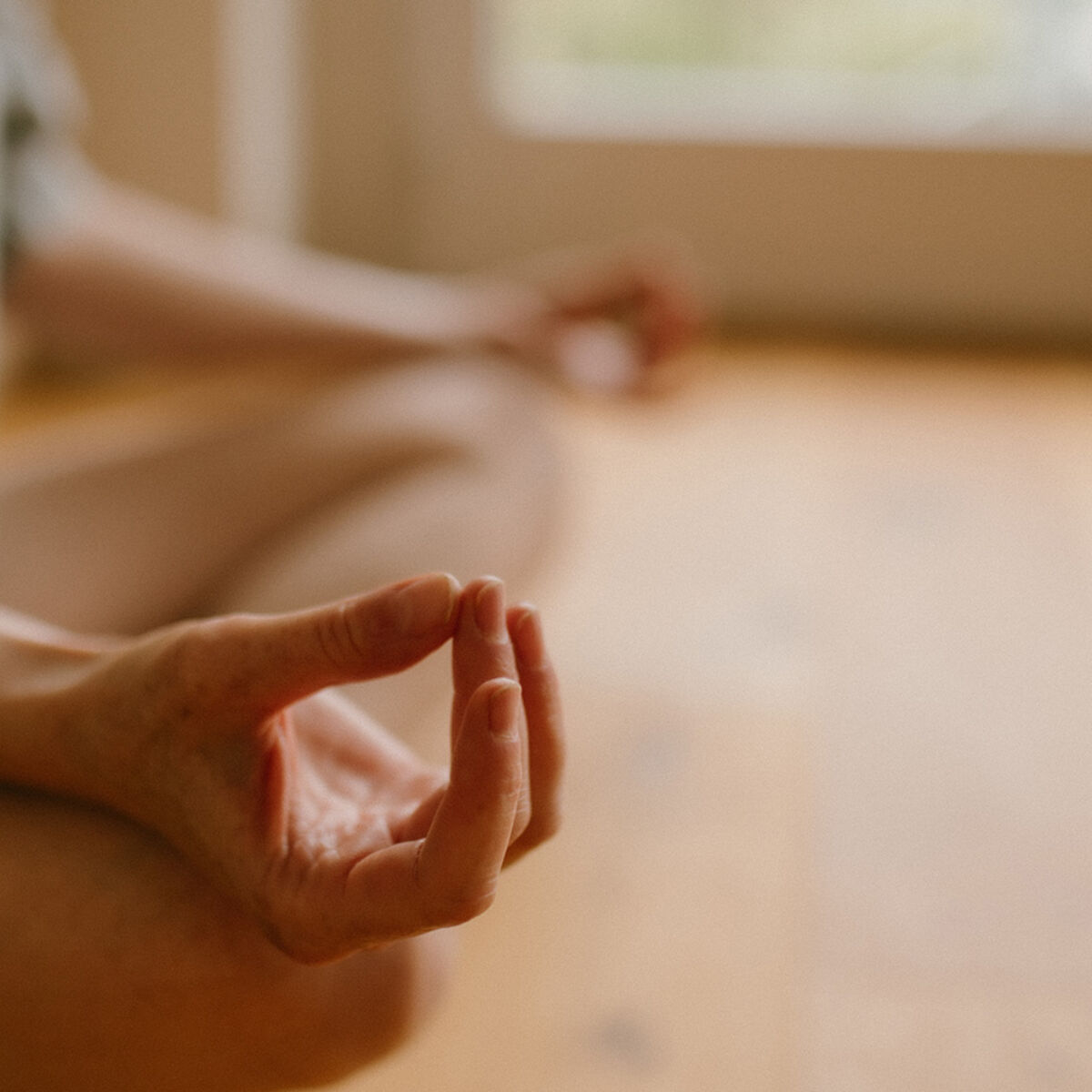
Resilience Begins with Feeling
Ultimately, resilience is about being attuned to yourself—noticing when things get to be too much, and knowing what helps you regain your balance. The sauna can be a simple yet effective anchor in this process—a place where you can reconnect with your body more clearly.
Delve Deeper into What's Good for You
If you’d like to delve deeper into this topic, you’ll find a series of articles inour magazine that explore specific aspects of regeneration in greater detail. These include the effects of cold and the deliberate alternation between heat and cooling, the role of breathing exercises in daily life, and how small rituals can help you find peace on a regular basis. Topics such as sleep, mental recovery, post-workout recovery, and creating spaces for retreat are also covered. So there’s plenty to look forward to.