When light goes further: Dr. Maximilian Kern talks about red light, near-infrared light, and cellular energy.
Bien que nous associions généralement la lumière uniquement à la vue, notre corps y réagit à un niveau plus profond. La thérapie par la lumière rouge, qui utilise des panneaux à lumière rouge et à lumière infrarouge proche, repose précisément sur ce principe. Dans une conversation avec le Dr Kern, expert en photobiomodulation, nous plongeons dans le monde des longueurs d'onde efficaces, de l'énergie cellulaire et de la régénération, et découvrons pourquoi la thérapie par la lumière rouge fait aujourd'hui partie intégrante des concepts modernes de bien-être et de longévité.
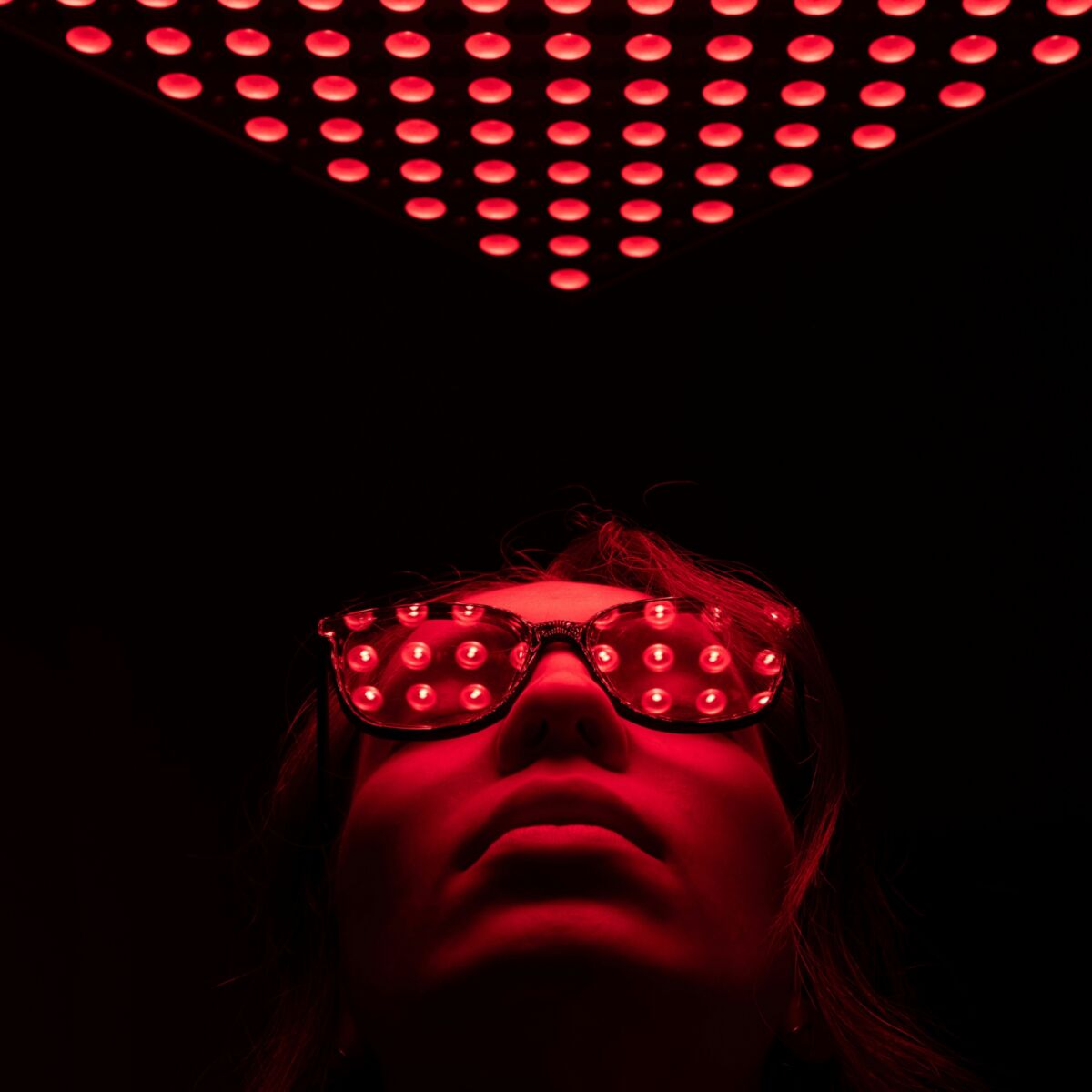
- Mr. Kern, before we talk about the effects, what type of lighting are we talking about exactly?
- What are the effects, where, and how?
- Why does everyone seem to be betting on red at this particular moment?
- What wavelengths are currently considered the absolute standard?
- It sounds like wellness. Or are we already in the medical field?
- What effect does this light have on us, beyond what we see or feel?
- What effect does this light have on us, beyond what we see or feel?
- What effect does this light have on us, beyond what we see or feel?
- When do you recommend red light, and when do you recommend near-infrared?
- Finally, the crucial question: what do you think of the inexpensive red light lamps sold on the Internet?

What are the effects, where, and how?
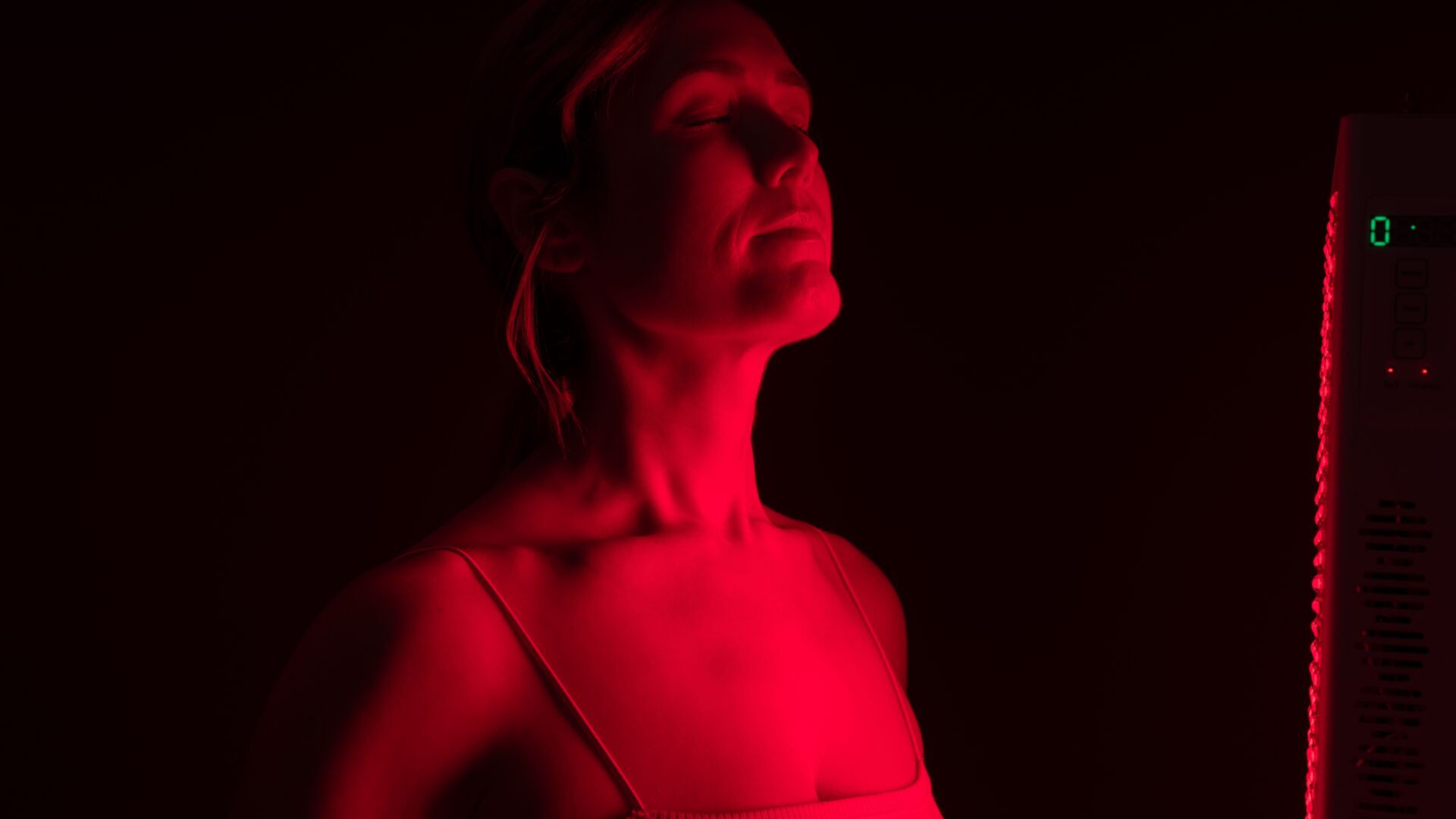
Red light acts on the surface of the skin and is therefore very useful in the field of anti-ageing. Near-infrared light, on the other hand, penetrates much deeper into the tissue and reaches the muscles, joints and underlying structures.
It is essential to have clearly defined wavelengths, as only these have a proven effect. That is why our panels incorporate both types of light, red and near-infrared, in a combined application.
What wavelengths are currently considered the absolute standard?
Two areas have been studied in particular: 660 nanometres in the red light spectrum and 850 nanometres in the near-infrared spectrum.
These wavelengths have been studied the most extensively and have yielded the clearest results. They penetrate tissue particularly well, which is crucial for the effectiveness of high-quality red light devices and panels.
It sounds like wellness. Or are we already in the medical field?
Actually, both. When it comes to specific illnesses, we leave the realm of pure wellness and enter the medical field. This is where more powerful, approved devices such as red light lasers are used. Our tabletop and freestanding panels are designed for longevity, regeneration and preventive health.
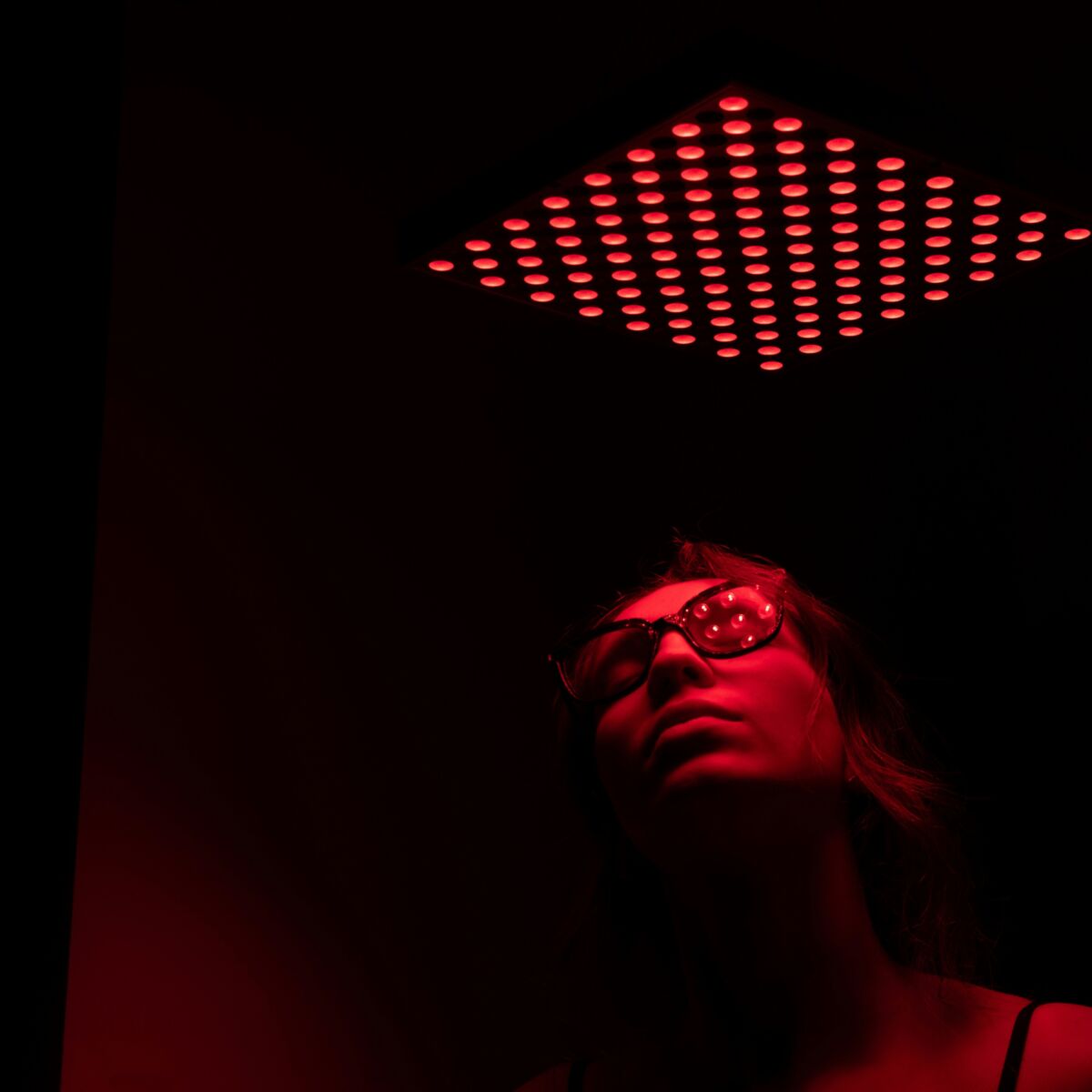
Results of red light therapy: improved performance, better regeneration, increased blood circulation and reduced inflammatory processes.
What effect does this light have on us, beyond what we see or feel?
You could say that. Red light therapy is particularly beneficial for people suffering from pain, in need of regeneration or pursuing anti-ageing goals, but also for athletes.
For athletes, the focus is on rapid recovery and reducing inflammation. In the case of chronic conditions, the aim is more to relieve pain, regulate inflammation and treat related problems such as depression. Sleep quality and general well-being also often benefit.
What effect does this light have on us, beyond what we see or feel?
It even has a very useful preventive effect. Red light is a powerful tool, especially in the areas of anti-ageing, cellular energy and well-being, particularly during the dark winter months. Many people use red light panels in a targeted manner to prevent energy slumps.
When do you recommend red light, and when do you recommend near-infrared?
In principle, I recommend both, which is why our panels combine both types of light. In the evening, it is best to switch off the bright red light, as it can have a stimulating effect.
In the case of large open wounds, it is recommended to switch off the near-infrared light. For private use, we generally recommend red light therapy for 15 to 20 minutes per day.
The three most common application errors
- Distance too great – we recommend 30 to 50 centimetres.
- Use too irregularly.
- Sessions that are too short.
Red light is physical energy that must penetrate tissue. Coherence is particularly important in the case of red light panels.