Biohacking: The Quest to Truly Understand One's Own Body
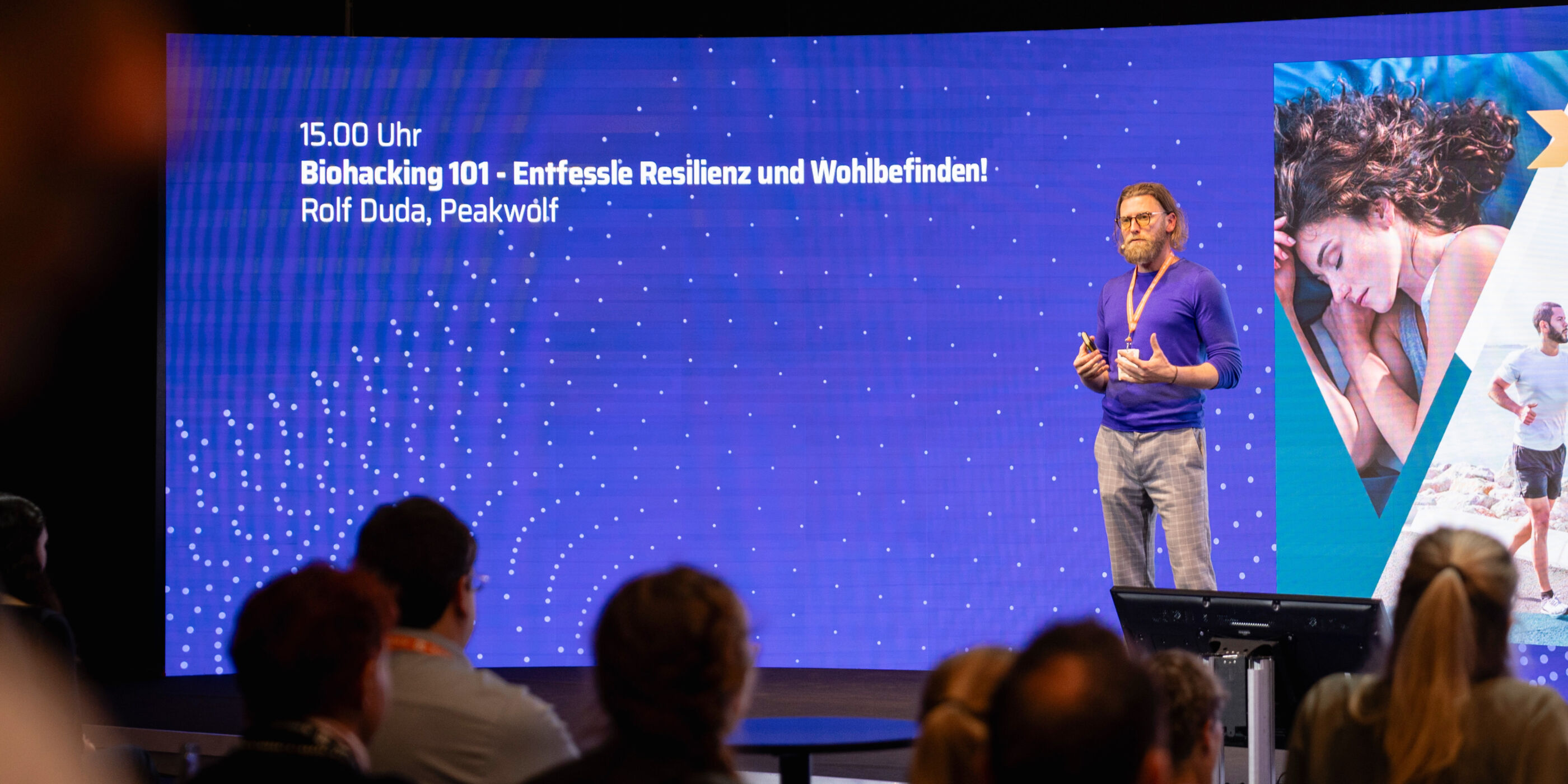
Biohacking sounds like high-tech, sensors, and self-optimization down to the last detail. But for Rolf Duda, it all starts much more simply: with curiosity about one’s own body. If you understand how stress, light, sleep, or cold affect you, you can manage them more effectively. And live a healthier life. In this interview, the biohacker explains why we’re all actually already biohackers, why mental clarity is more important than any gadget, and why sleep is by far the most important foundation for health.
- Dear Rolf, you're a biohacker. What exactly is that? And how does one become one?
- How would you explain biohacking to someone who's never heard of it?
- Biohacking is currently gaining a lot of traction. Why?
- Are there things you deliberately avoid hacking?
- How does biohacking differ from traditional wellness or health practices?
- Self-Improvement: Where Is the Line Between Self-Improvement and Overwhelm?
- So we have to do some mental work first?
- What role do breathing exercises, heat training, and cold training play?
- Many people swear by alternating between hot and cold. What happens in the nervous system when this occurs?
- How do you personally deal with stress?
- “Technology helps us make our bodies visible”
- If you could only improve one area—sleep, diet, or exercise—which would you choose?
- Everything is tracked and optimized. What's your take on wearables and tracking?
- Which biohack is free and works right away?
- In conclusion: What biohacks can people incorporate into their daily lives even without a sauna or ice bath?
How would you explain biohacking to someone who's never heard of it?
Actually, we’re all already biohackers: When we drink coffee or alcohol, we do so because we want to achieve a certain effect. The only difference is that a biohacker understands more precisely what’s happening in the body.
With coffee, for example, caffeine binds to the same receptors in the brain as adenosine, a substance that builds up throughout the day and makes us feel tired. Caffeine essentially displaces this very adenosine. So, from a biohacker’s perspective, the effect is: “Because of the caffeine, I don’t feel how tired I actually am.”
Are there things you deliberately avoid hacking?
To be honest, I don't really work out that much. My goal is more to keep my body in balance. When I go through particularly intense or stressful periods, I make a conscious effort to recover afterward. So I actively seek out ways to relax.
How does biohacking differ from traditional wellness or health practices?
"Biohacking is often just a more scientific perspective.Basically, we're all biohackers."
Self-Improvement: Where Is the Line Between Self-Improvement and Overwhelm?
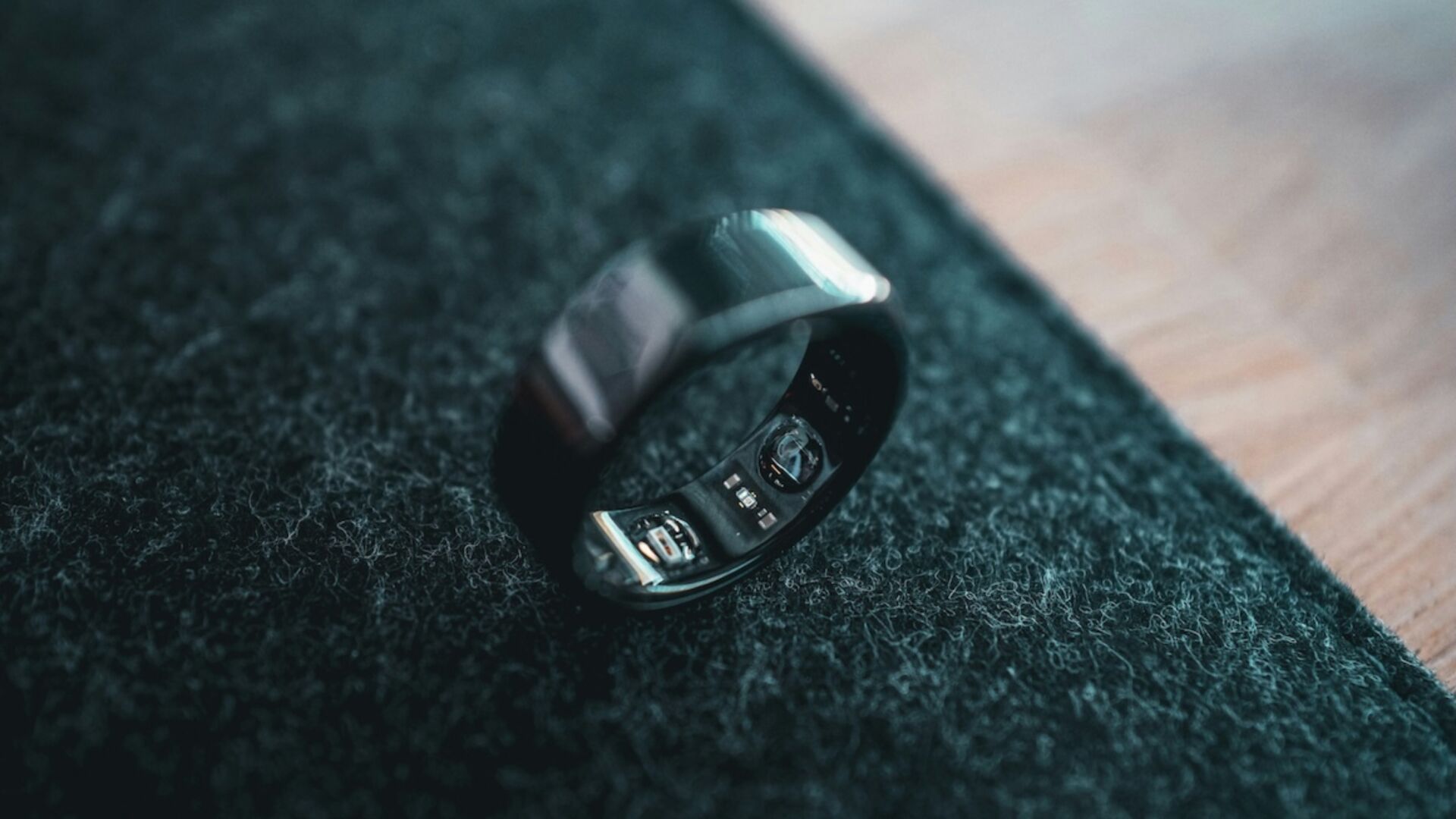
The key question is: Why am I actually doing this? If I’m optimizing my sleep just to see better numbers on an Oura Ring, it doesn’t do much good. That’s why you should always do the inner work first. It would go like this: What feeling do I want to achieve? What is my goal? Once that’s clear, a lot of things become easier. Without that “why,” everything quickly becomes exhausting.
So we have to do some mental work first?
Absolutely. And mental strength is something you can train. It stems from our willpower and our mindset. The more consciously you work on it, the stronger it becomes. Ultimately, it all starts in the mind. That’s where we decide how to deal with challenges.
Many people swear by alternating between hot and cold. What happens in the nervous system when this occurs?
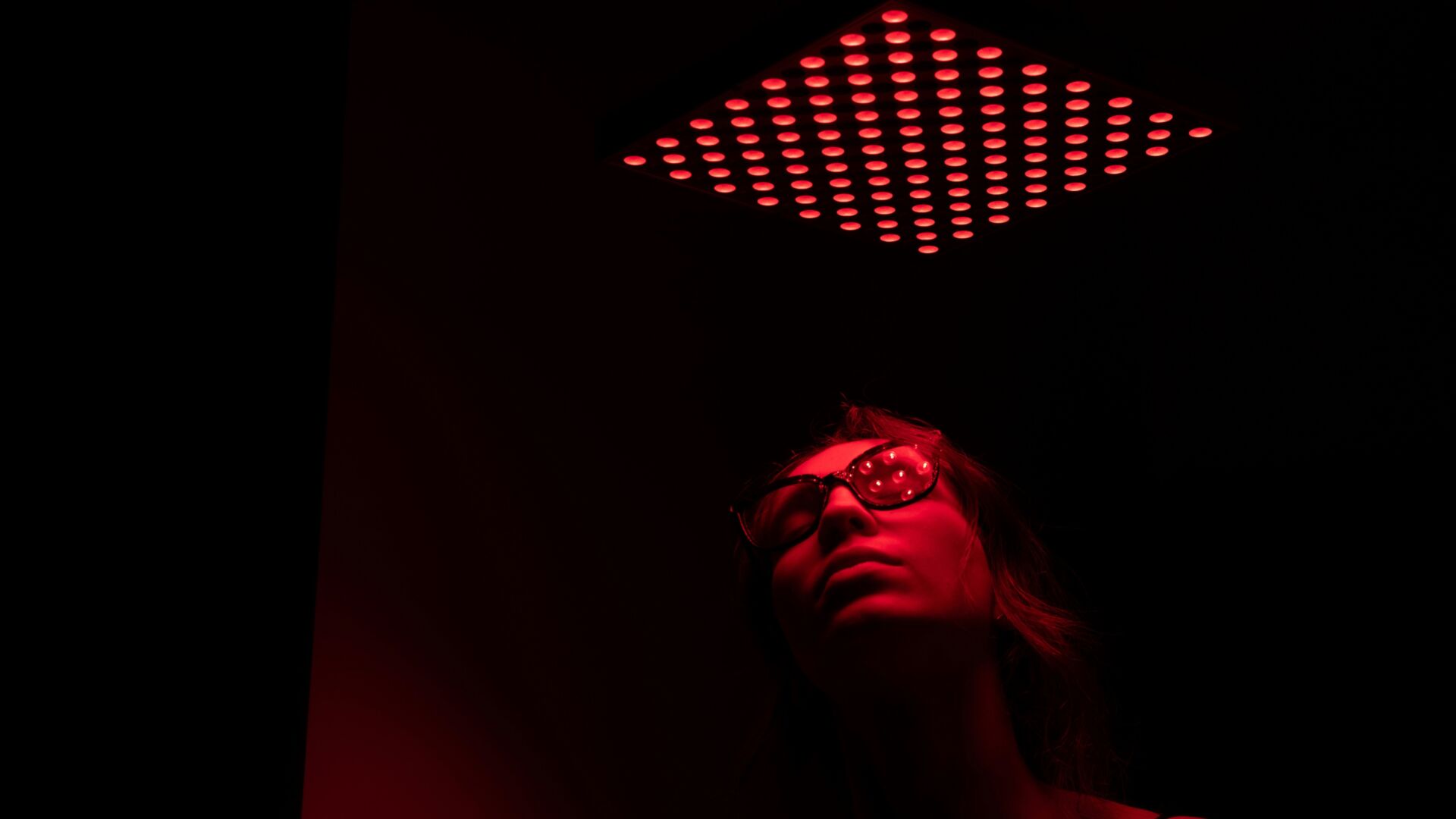
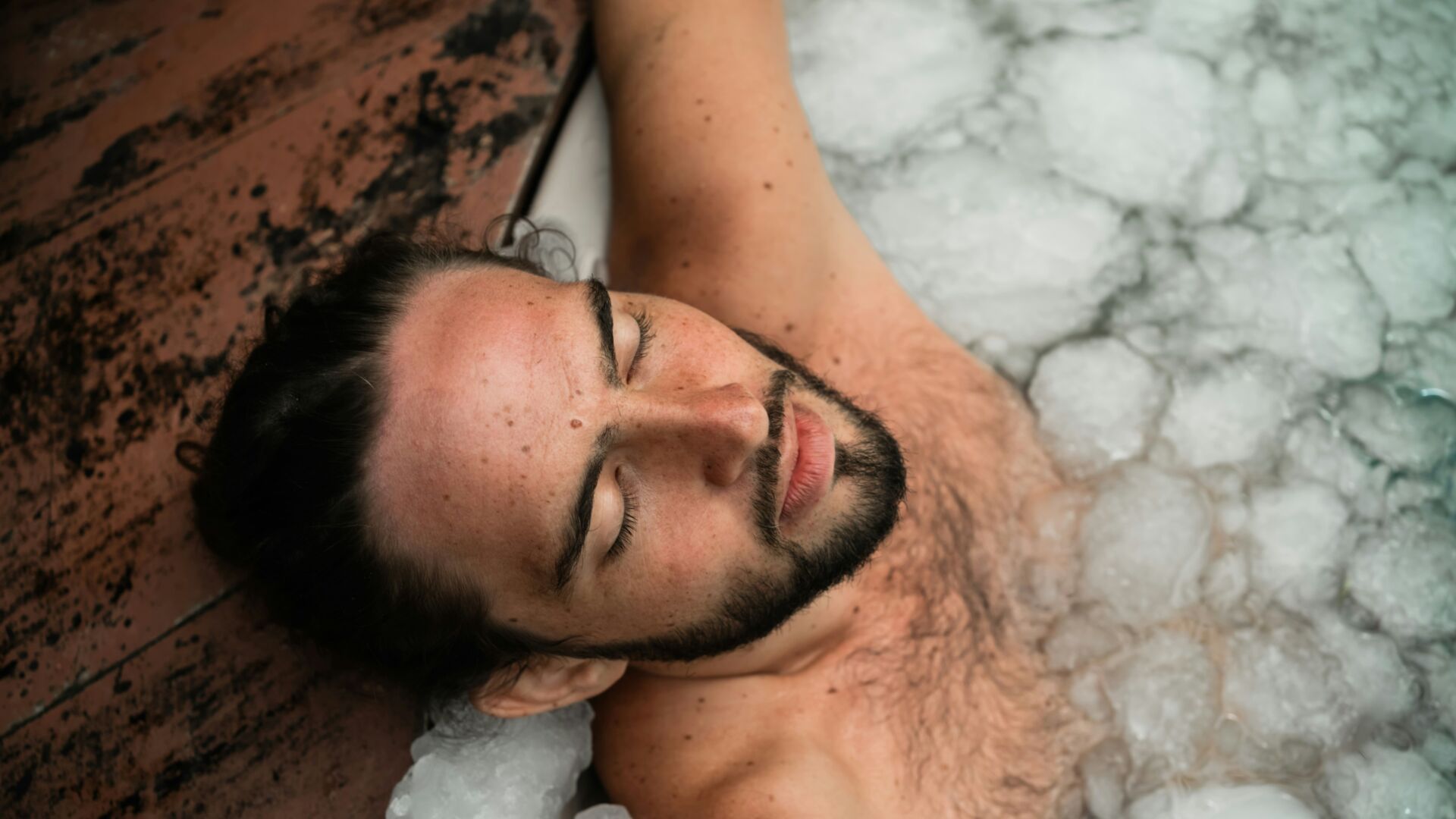
In an ice bath or sauna, you expose your body to a specific stimulus outside its comfort zone. This teaches it to respond more flexibly.
When you do this intentionally, you train the nervous system’s adaptability. And the more flexible this system is, the less likely we are to become stressed.
How do you personally deal with stress?
First, I try to figure out exactly what’s causing the stress. Because once I understand why I find something stressful, I can respond to it more effectively. Stress is often a mental judgment. When I know why I’m doing something, it feels less stressful.
I believe people will increasingly realize that their health is in their own hands, not just in the hands of doctors or the public health care system. The latest technology helps us better understand the body. For example, when you see how much alcohol affects sleep, it automatically changes your behavior.
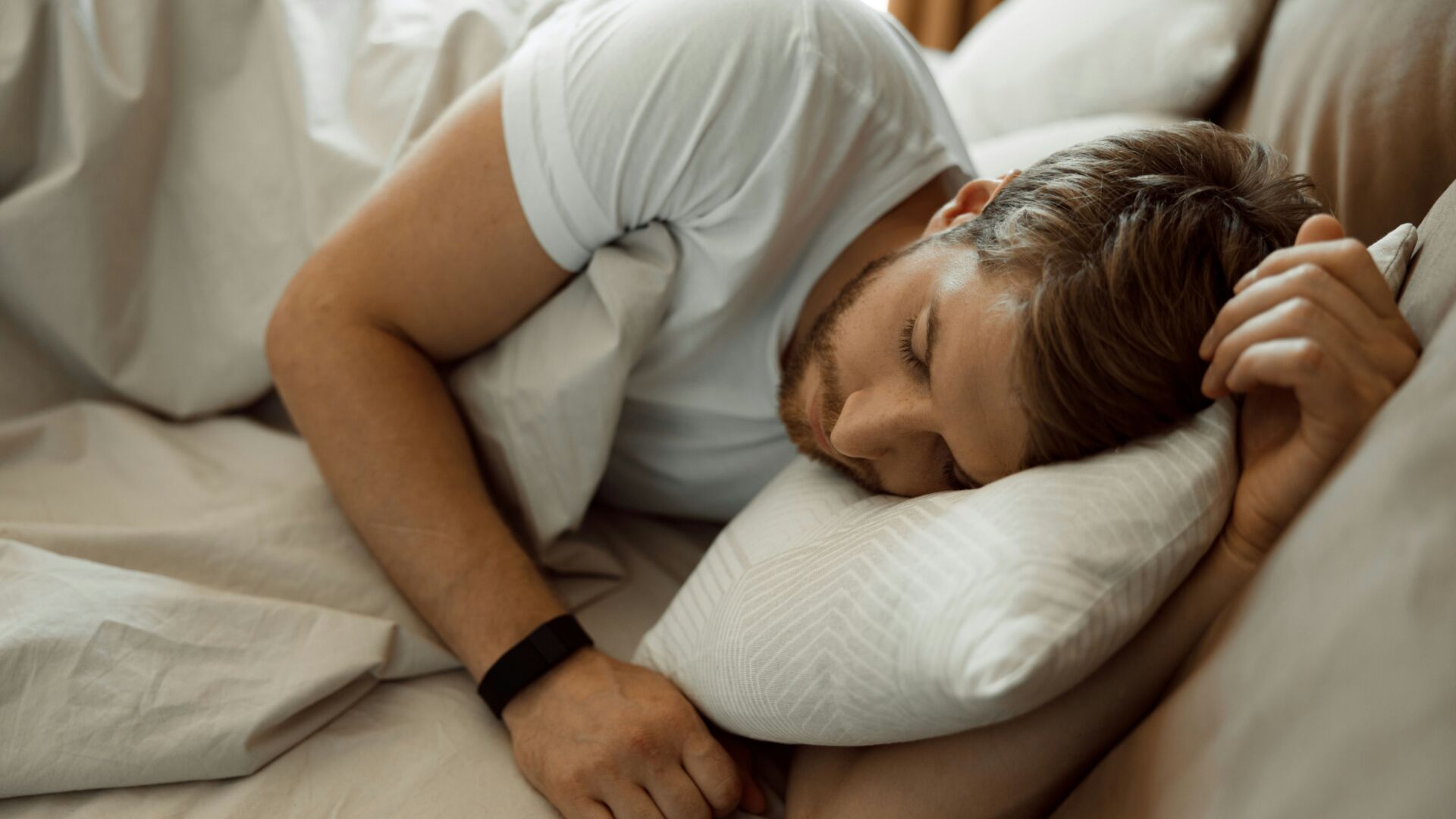
Another factor is thoughts and stress. When the brain keeps working constantly, the nervous system remains in an active state. The body then feels as if it needs to be awake and ready. Security and structure in daily life therefore help immensely—for example, a clear daily rhythm or small evening routines that signal: Now the body can let go.
Hormonal processes also play a role. The body’s own neurotransmitters, such as adenosine, ensure that we get tired as the day progresses. However, caffeine can disrupt this process. That’s why many people are sensitive to coffee in the afternoon or evening.
Everything is tracked and optimized. What's your take on wearables and tracking?
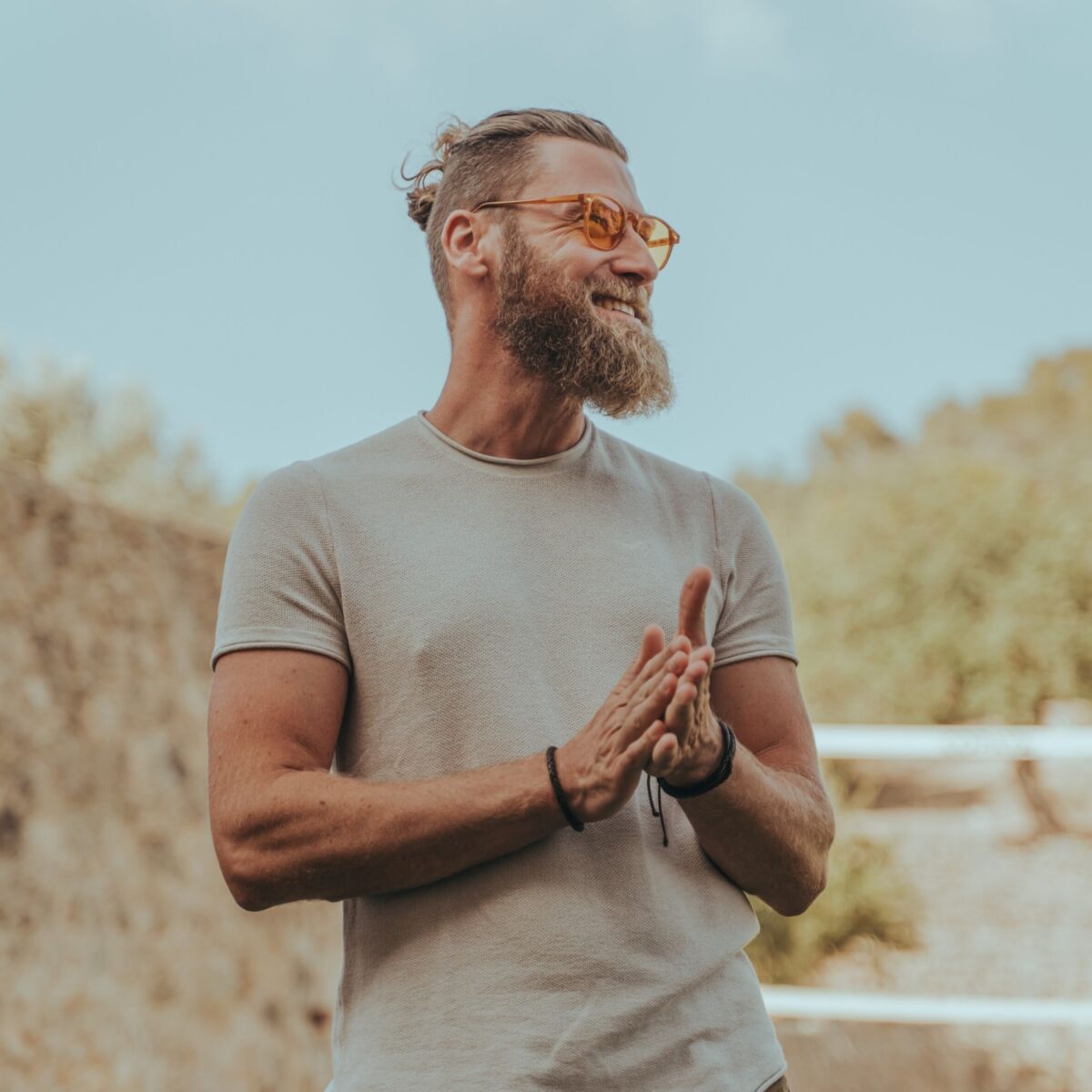
I hardly track anything myself anymore because I'm in tune with my body. But I used to track a lot. Tracking and the gadgets that go with it can serve as a helpful bridge to understanding connections and regaining a sense of personal responsibility.
Which biohack is free and works right away?
Breathing.
Through our breath, we can immediately work with our nervous system. It costs nothing—except a moment of attention.
In conclusion: What biohacks can people incorporate into their daily lives even without a sauna or ice bath?
First: Breathe mindfully. Breathing is one of the most important tools for our health.
Second: Spend time in nature. Walking barefoot or simply being outdoors—a practice known as “grounding”—reduces inflammation and can have an incredibly grounding effect.
And third: Let the sun shine on your skin. In moderation, of course, but light is a crucial factor for our biological rhythm.