One family, five metric tons of herbs, and a wealth of experience
What began 40 years ago with an informational evening organized by Ricola, a small field of stinging nettles, and a lot of manual labor has grown into a major line of business for several farming families in the Lucerne hinterland. At the heart of this adventure: Brigitte Theiler and her family. On their farm in the Napf region, the herbs are grown, processed, and dried with the utmost care in record time, before being used in “Zeltli,” herbal teas, or herbal sauna pillows.
- Brigitte, how did your journey with herbs begin?
- Did we really go from just a few producers to a veritable stronghold of aromatic herbs?
- The way we work has changed a lot, hasn't it?
- And you've also invested in drying equipment.
- What makes the Napf region so special for growing herbs?
- And what are the best months for herbs?
- Your farm is located at an elevation of 715 meters. How does this elevation affect crop growth?
- What signs and rhythms do you use as a guide for harvesting? Does the lunar calendar play a role, for example?
- What happens right after the harvest?
- Is it a time-consuming process?
- And what happens if an herb is dried or stored improperly?
- Can a layperson recognize a high-quality medicinal plant?
- Do you have a favorite herb?
- Is there a herb that you think is underrated?
- What traditional local knowledge about plants would you most like to preserve?
- How do you ensure that farming remains sustainable and that the soil isn't overused?
- What do you think about the growing popularity of aromatic plants in the wellness industry?
- Herbs from Napf at the Küng Spa Shop
- You’ve been supplying Ricola for decades, as well as wellness industry providers like Küng. How do you view these very different worlds?
- What simple herbal ritual would you recommend to our readers?
- Even more inspiration from the world of herbs and fragrances
Brigitte, how did your journey with herbs begin?
It all began a little over 40 years ago, with my in-laws, Alois and Rösy. At the time, Ricola was looking for new herb growers and was hosting informational evenings at local restaurants. My father-in-law was immediately taken with the idea and began growing nettles and roots for Ricola on a small plot of land.
Did we really go from just a few producers to a veritable stronghold of aromatic herbs?
Exactly. A cooperative for growing aromatic herbs was formed, bringing together various producers from the Lucerne hinterland. At Ricola, quotas were allocated every December, and our region was assigned increasingly larger quantities over time.
At some point, one thing became clear: we needed our own drying facility, a warehouse, and efficient logistics. After all, once processed, the herbs also had to be transported. At the same time, the area under cultivation kept expanding. Some farmers stopped growing them, while others began doing so.
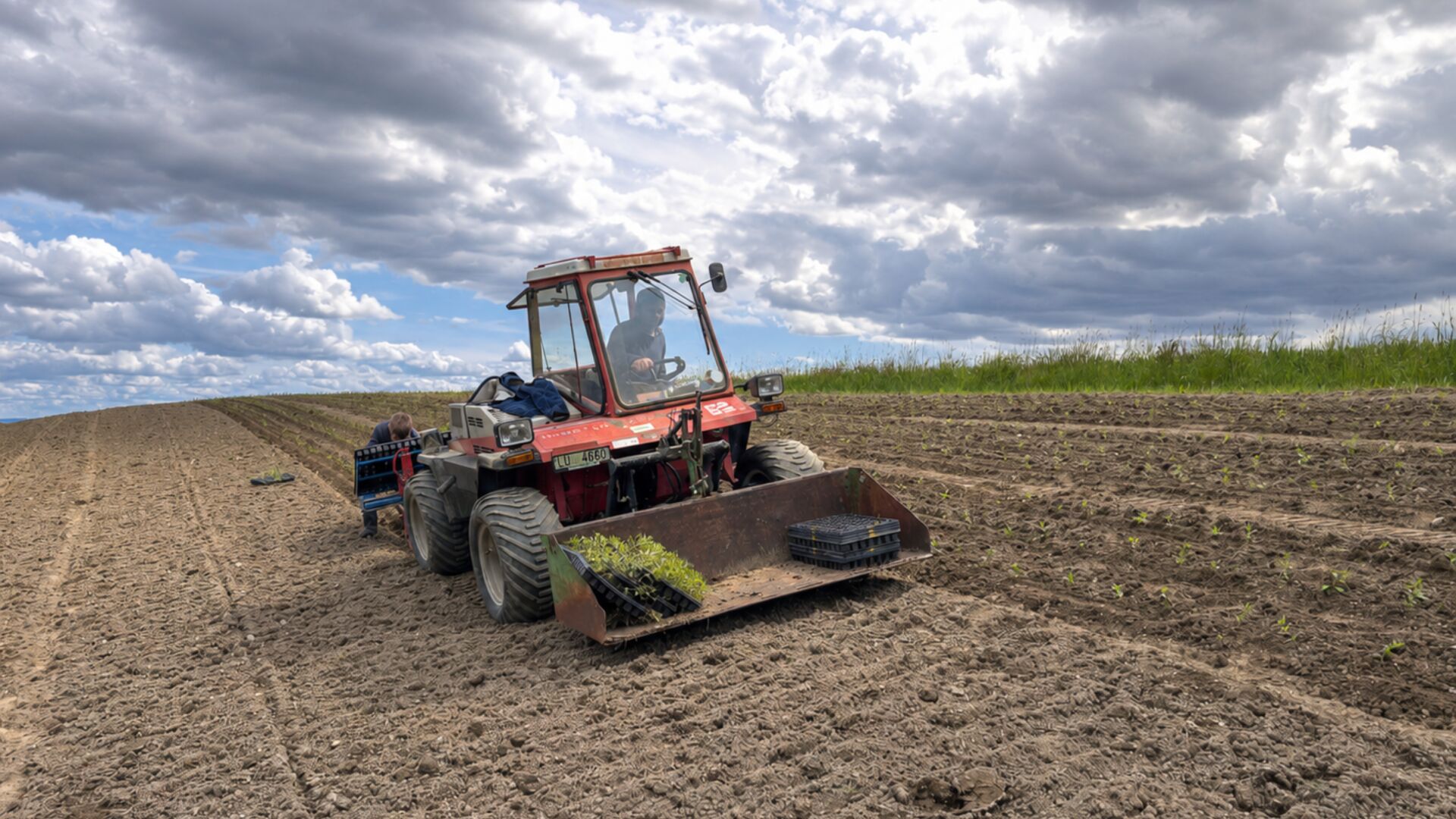
When my husband took over the farm about twenty years ago, he knew he wanted to continue expanding the cultivation of aromatic herbs. Together, we expanded the area from half a hectare to two hectares. In collaboration with a mechanic specializing in farm machinery, we even developed our own herb mower. Thanks to it, we no longer had to cut the herbs by hand.
And you've also invested in drying equipment.
The herbalists' cooperative realized it needed a larger, more professional drying facility. In collaboration with a refrigeration technician specializing in this field, it expanded the facility. Gentle drying is essential to best preserve the color, aroma, and valuable active ingredients of the herbs.
However, it is difficult to make a living solely from growing herbs. For us, this has always been a side business to raising dairy cows. At the same time, we founded Napfkräuter GmbH and developed our own blends of herbal teas, syrups, and herbal products. That’s how everything gradually took shape. During busy periods, we also hire seasonal workers.
And what are the best months for herbs?
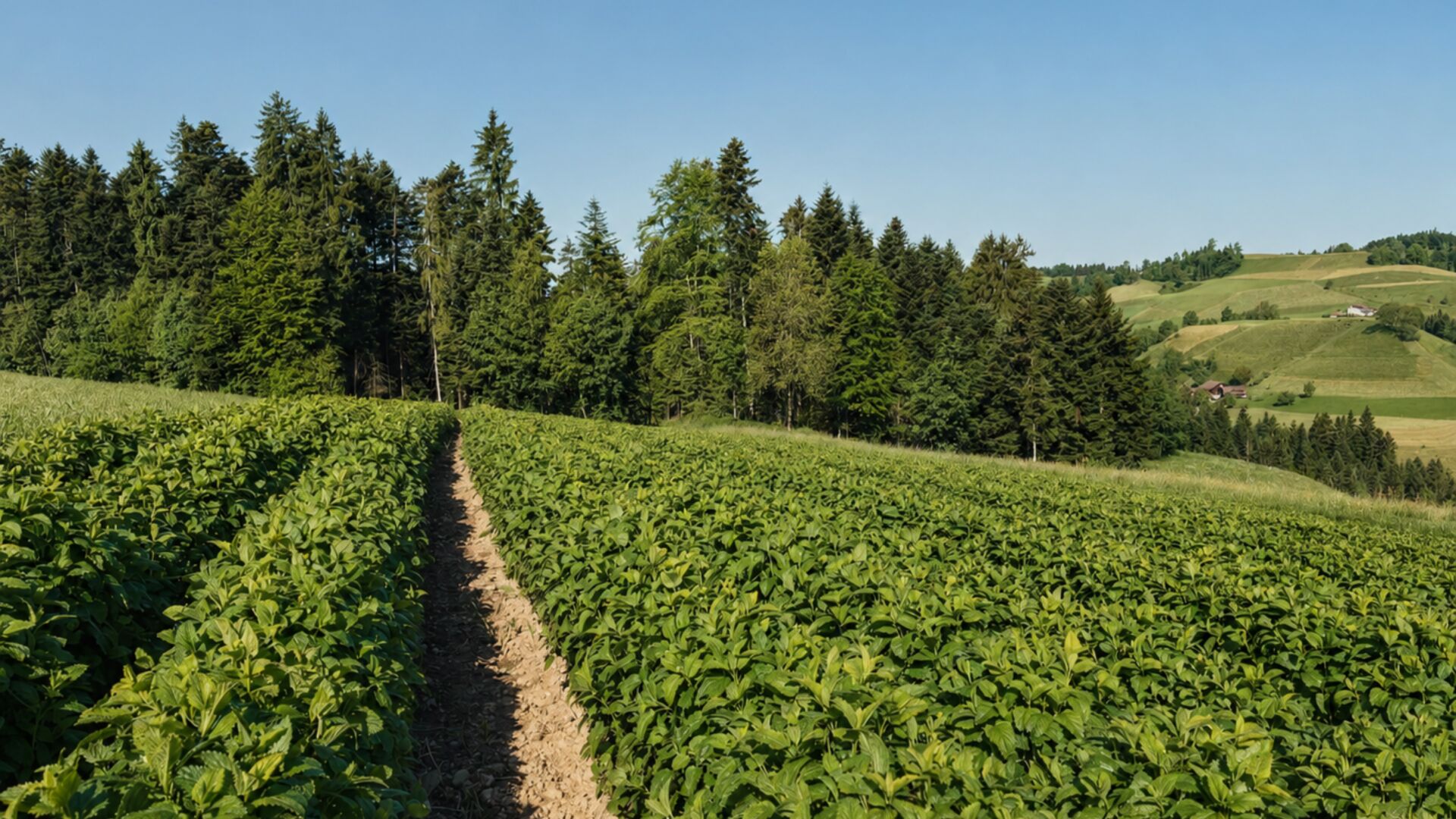
The best time to grow herbs is from May through September. Of course, it all depends on the type of plant you’re growing. Not all herbs tolerate rain, cold, or intense sunlight equally well.
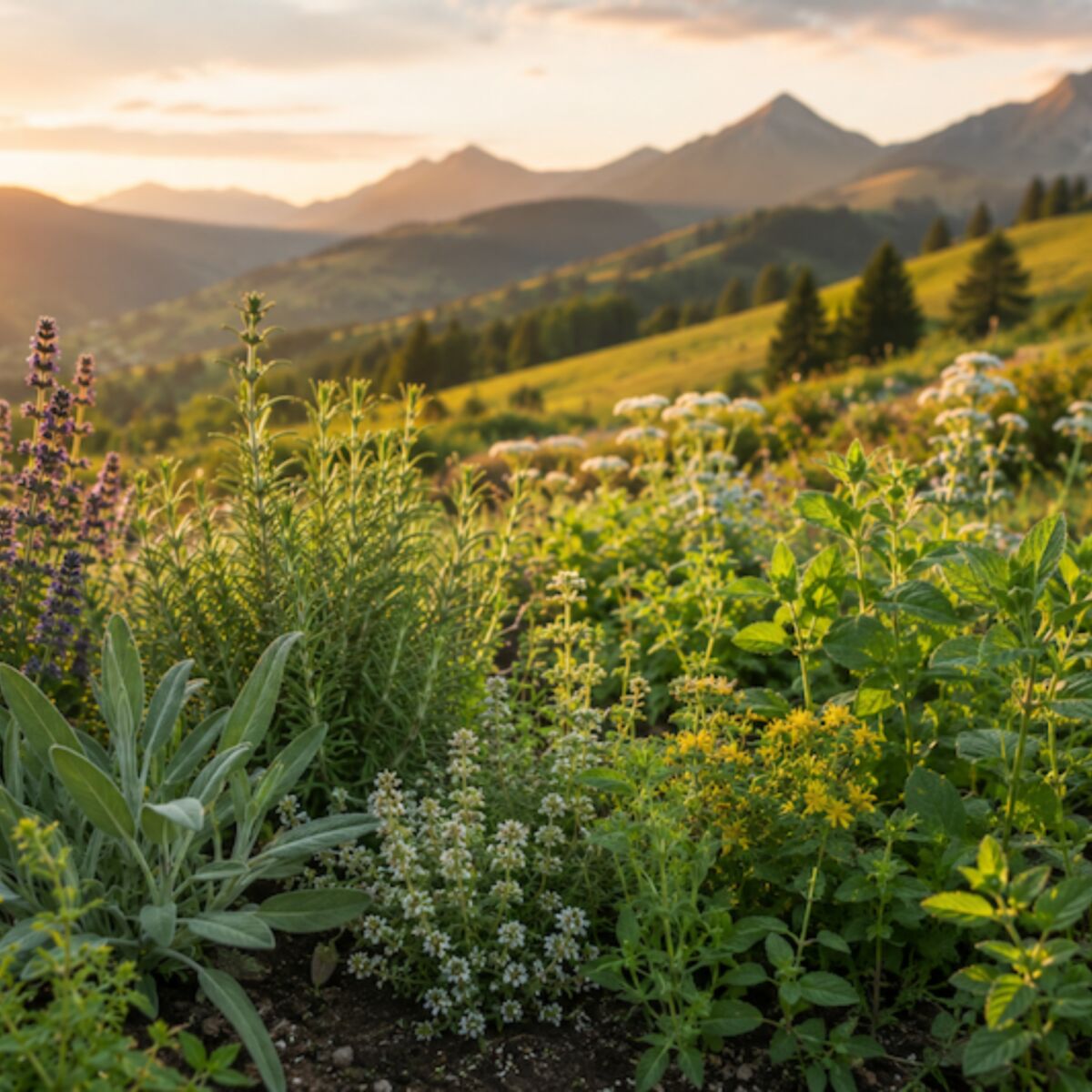
"You should always choose varieties of herbs that are suited to the space you have available."
Brigitte Theiler, aromatic herb expert
Your farm is located at an elevation of 715 meters. How does this elevation affect crop growth?
I can't say for sure whether the concentration of active ingredients at 700 meters is actually different from that observed at lower altitudes. But not all herbs grow equally well in every region. At high altitudes, the soil is often different—perhaps sandier or rockier, and less clayey.
Therefore, you must always adapt the plant varieties to the soil available. Furthermore, yields are generally lower at higher altitudes. While a farm in the valley can harvest up to four times a year, at an altitude of 1,000 meters, there may be only one or two harvests.
What happens right after the harvest?
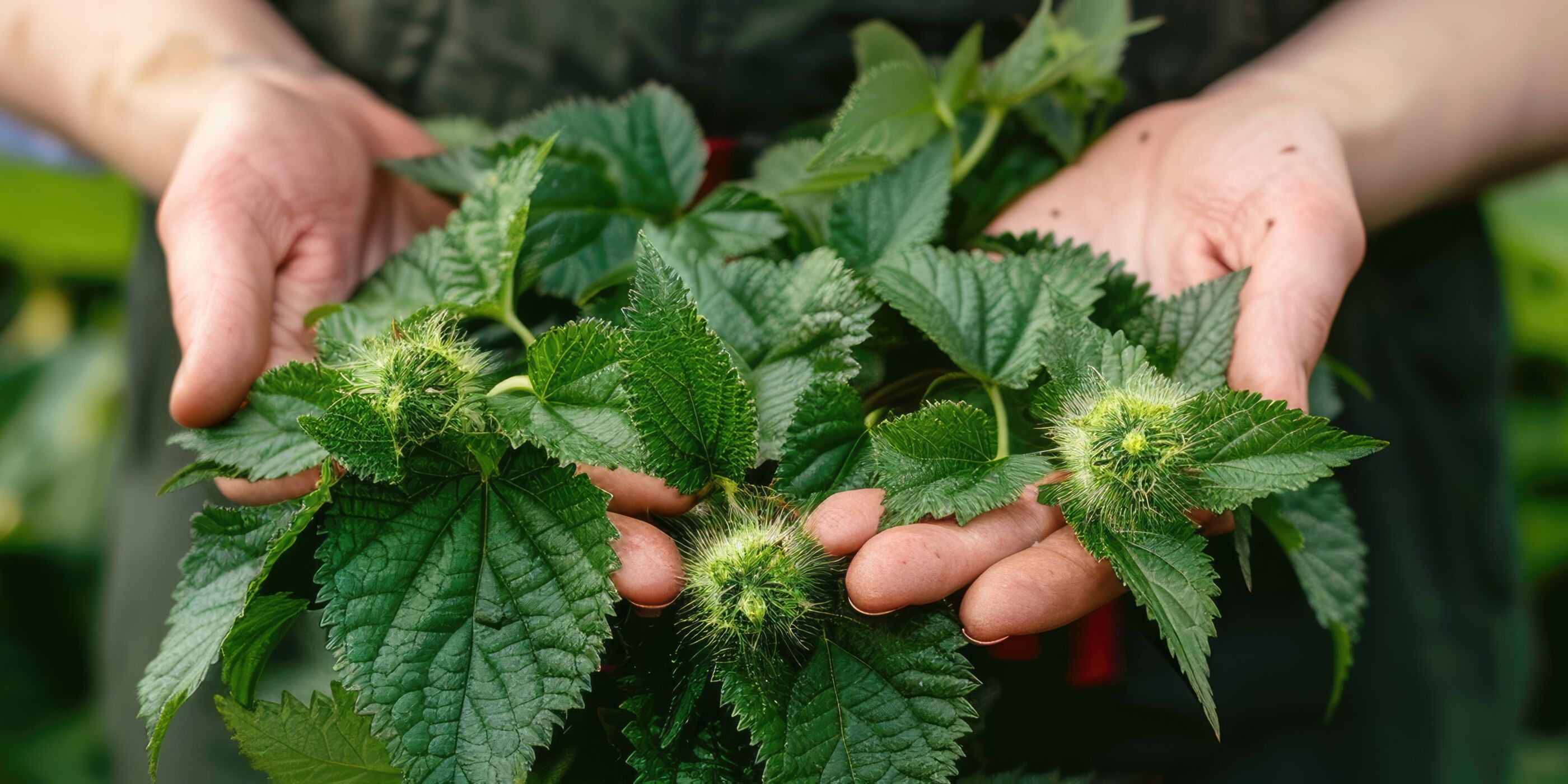
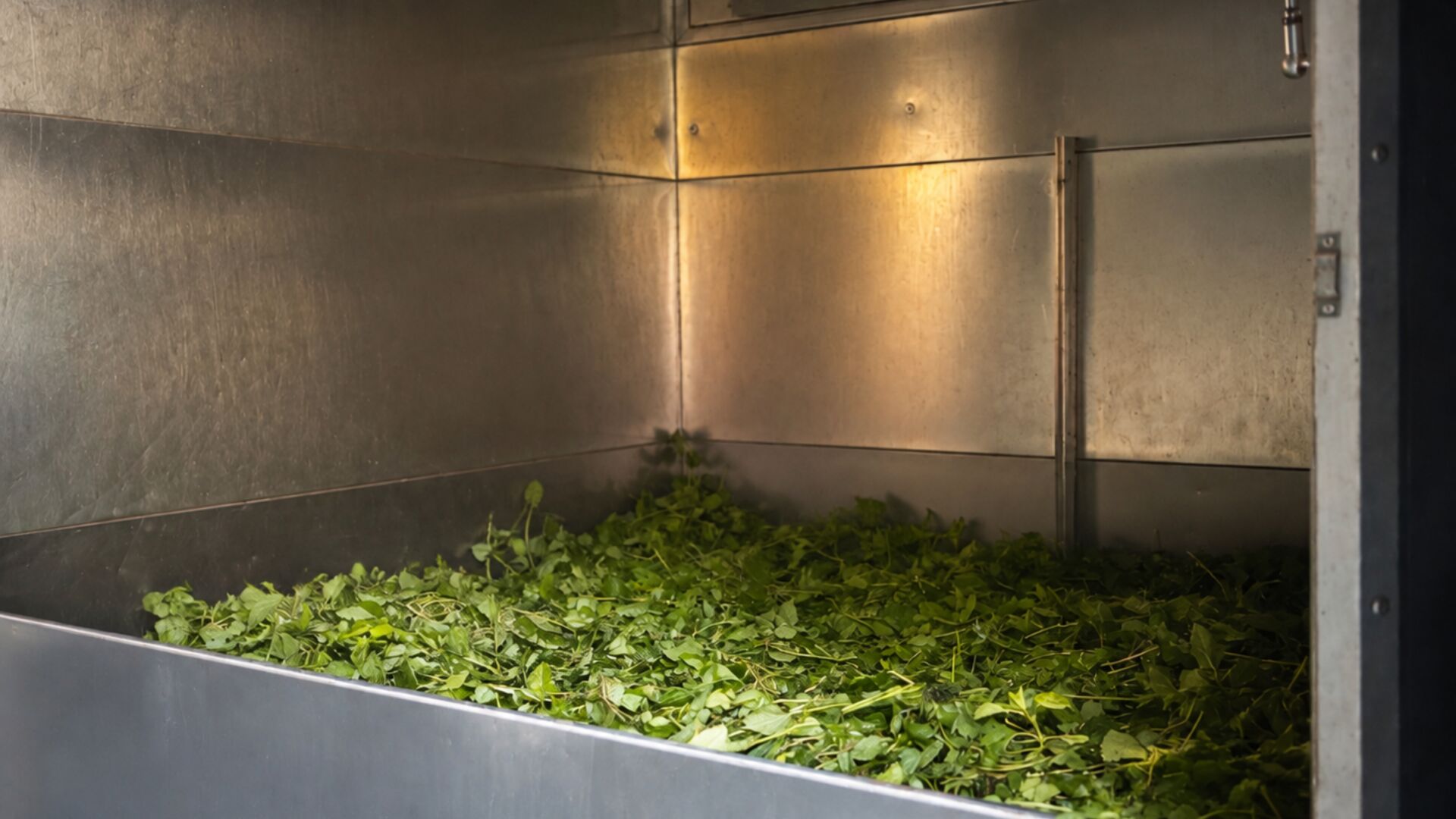
Farmers harvest the herbs using machines specifically designed for this purpose and deliver them directly to us. The fresh herbs are dumped into large drying containers. They must be placed there no later than one hour after harvest. This very short timeframe is essential to ensure the final quality of the product.
The herbs are then dried slowly using cold air. Air, kept at a temperature no higher than 30 degrees, circulates from the bottom up through the containers. This prevents the herbs from experiencing thermal shock and helps them retain their vibrant color.
And what happens if an herb is dried or stored improperly?
If it isn't completely dry, moisture will remain. This can lead to mold growth. The grass may turn black due to the heat that builds up inside, and eventually give off an unpleasant odor. At that point, it is no longer usable.
Can a layperson recognize a high-quality medicinal plant?
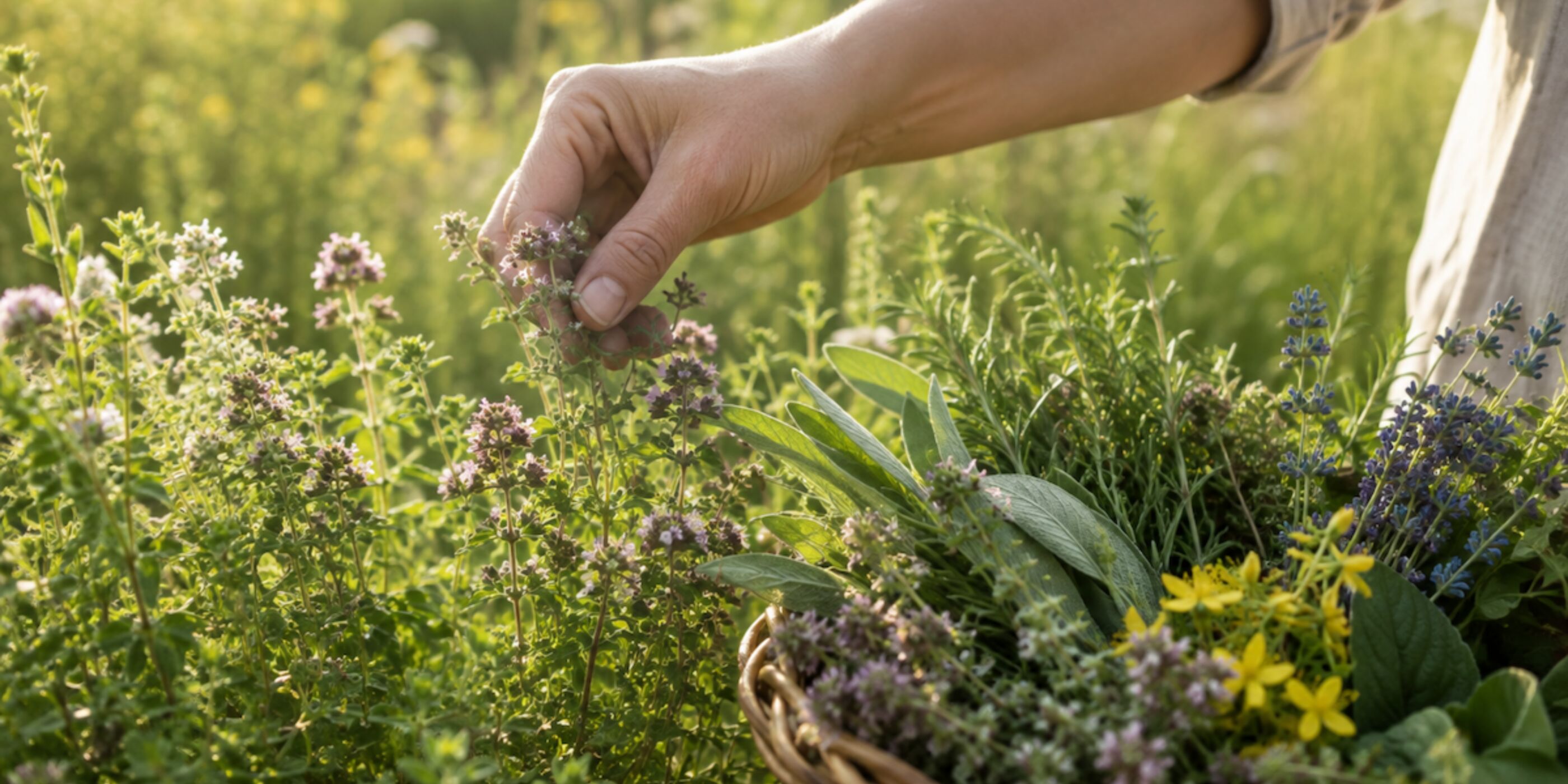
First, pay attention to the color: it should be vibrant and intense. The smell also says a lot. Good dried herb has an intense, fresh aroma.
If you can barely smell it or tell what kind of herb it is, it’s probably already a little old or hasn’t been processed and stored properly.
Do you have a favorite herb?
Without a doubt, peppermint: it’s relatively easy to grow and very popular in the Lucerne region. You can enjoy it hot as herbal tea or cold as a refreshing drink. Personally, we consume a lot of it.
What traditional local knowledge about plants would you most like to preserve?
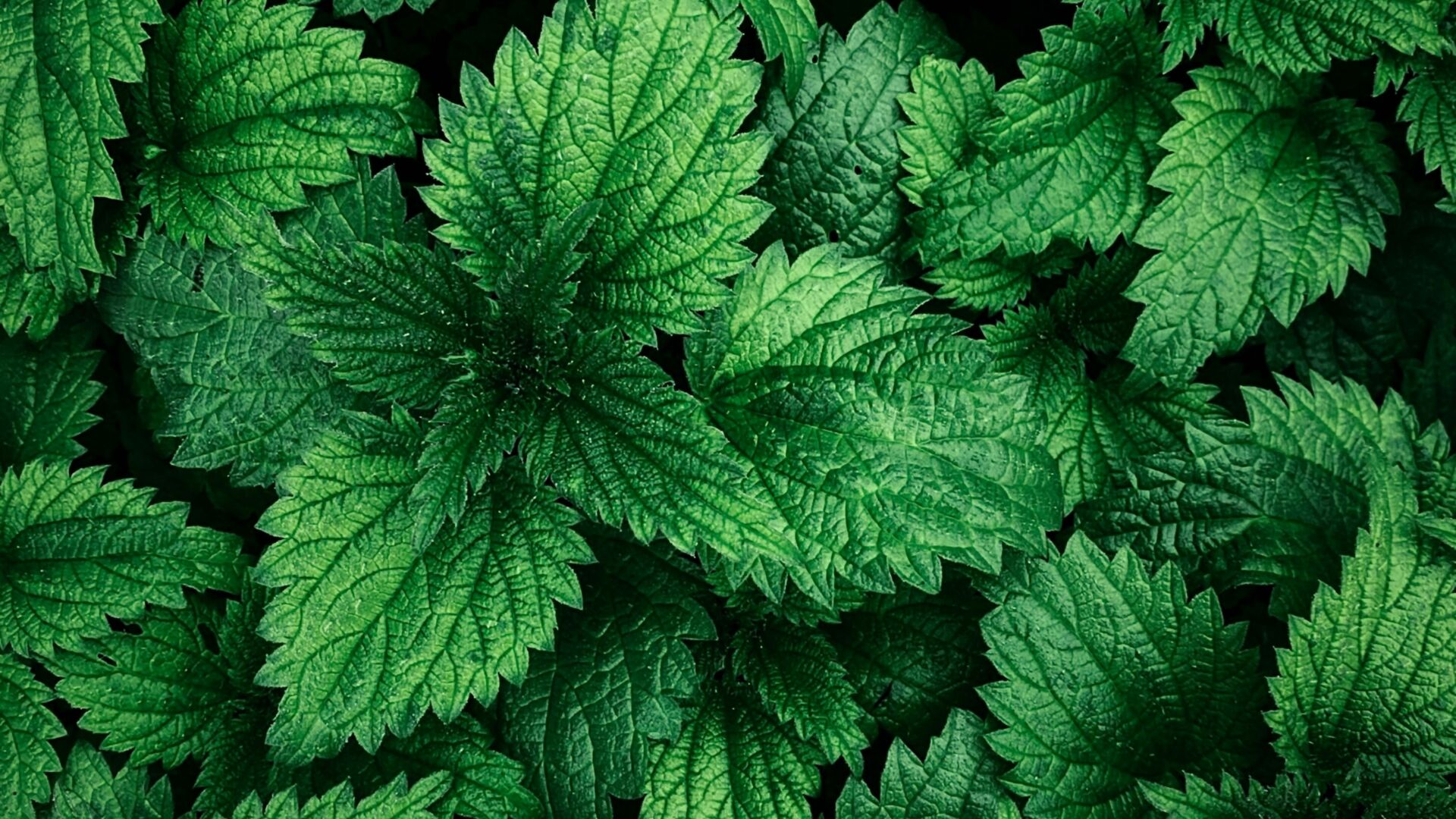
Without a doubt, my in-laws’ knowledge. For many years, they’ve read extensively, tried things out for themselves, and never stopped expanding their knowledge. That kind of knowledge can’t be learned anywhere else.
And even after decades, we still learn something new every year. The weather is so unpredictable that no two years are exactly the same. You have to know how to respond when it rains for weeks on end or when, like this year, it’s extremely hot. Much of it comes from experience, observation, and daily contact with plants.
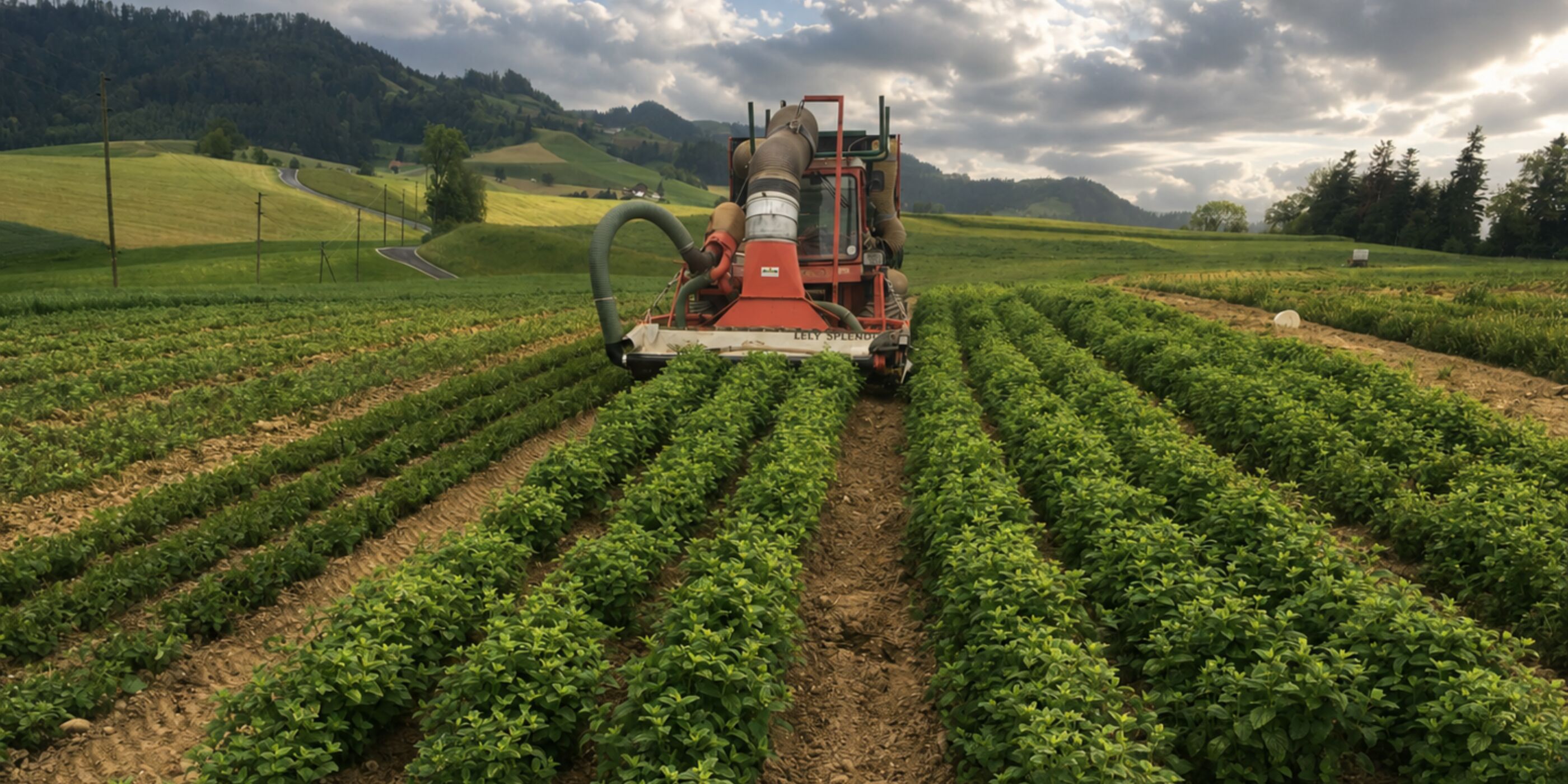
In addition, when herbs are grown in the same spot for too long, pests such as the mint beetle or the cicada can take hold there. Changing the planting area regularly helps prevent these problems.
What do you think about the growing popularity of aromatic plants in the wellness industry?
I think it’s wonderful that so many young people are once again interested in nutrition, health, and natural products, instead of just popping a pill at the slightest discomfort. It makes a big difference that this information is also available in the media, on Instagram, and on other platforms.
Of course, as with anything that’s trendy, people sometimes go a little overboard. That’s probably just part of the deal. Still, I’ve been working with loose-leaf tea blends for a very long time now, and I’m always surprised to see how many young people come to buy tea from us these days.
Herbs from Napf at the Küng Spa Shop
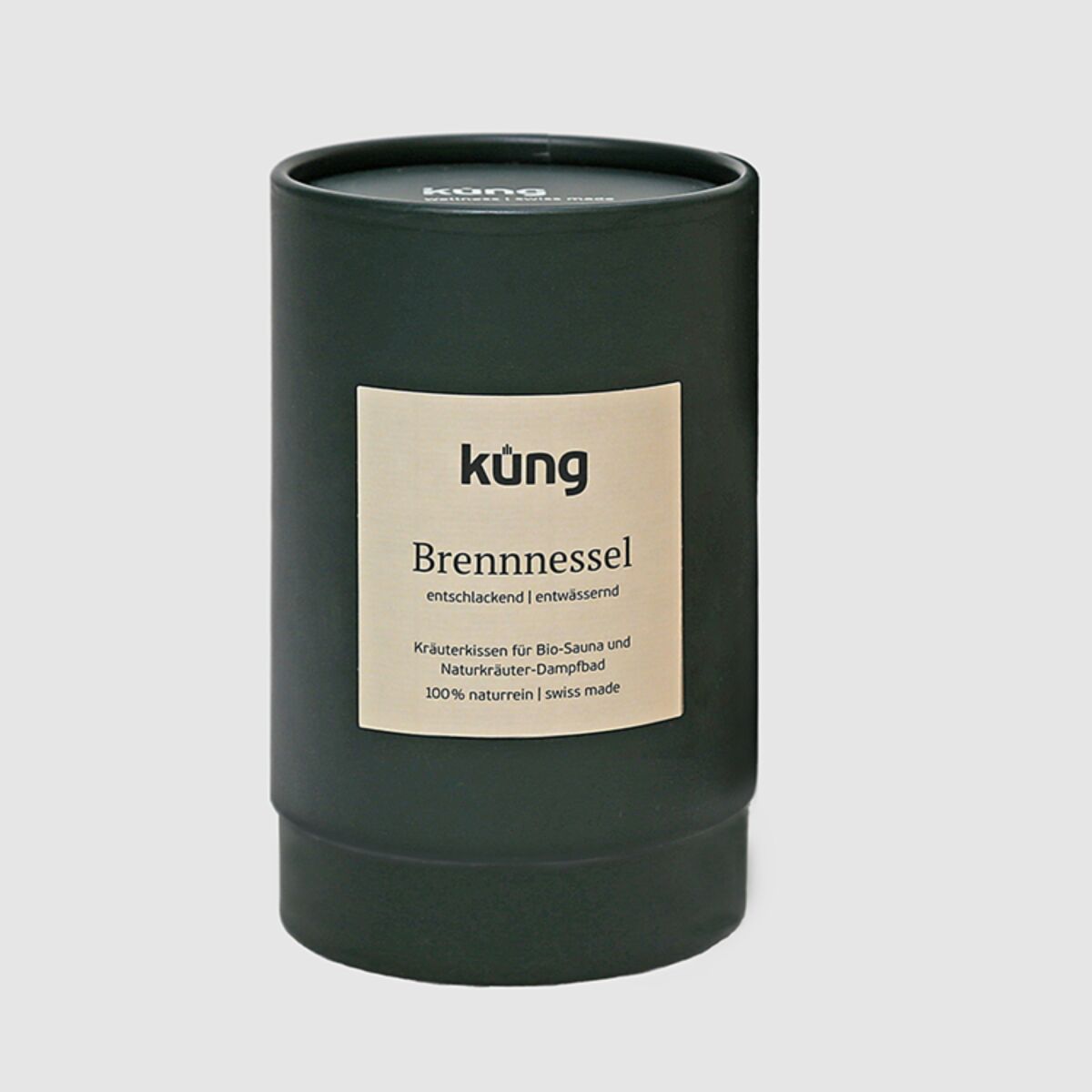
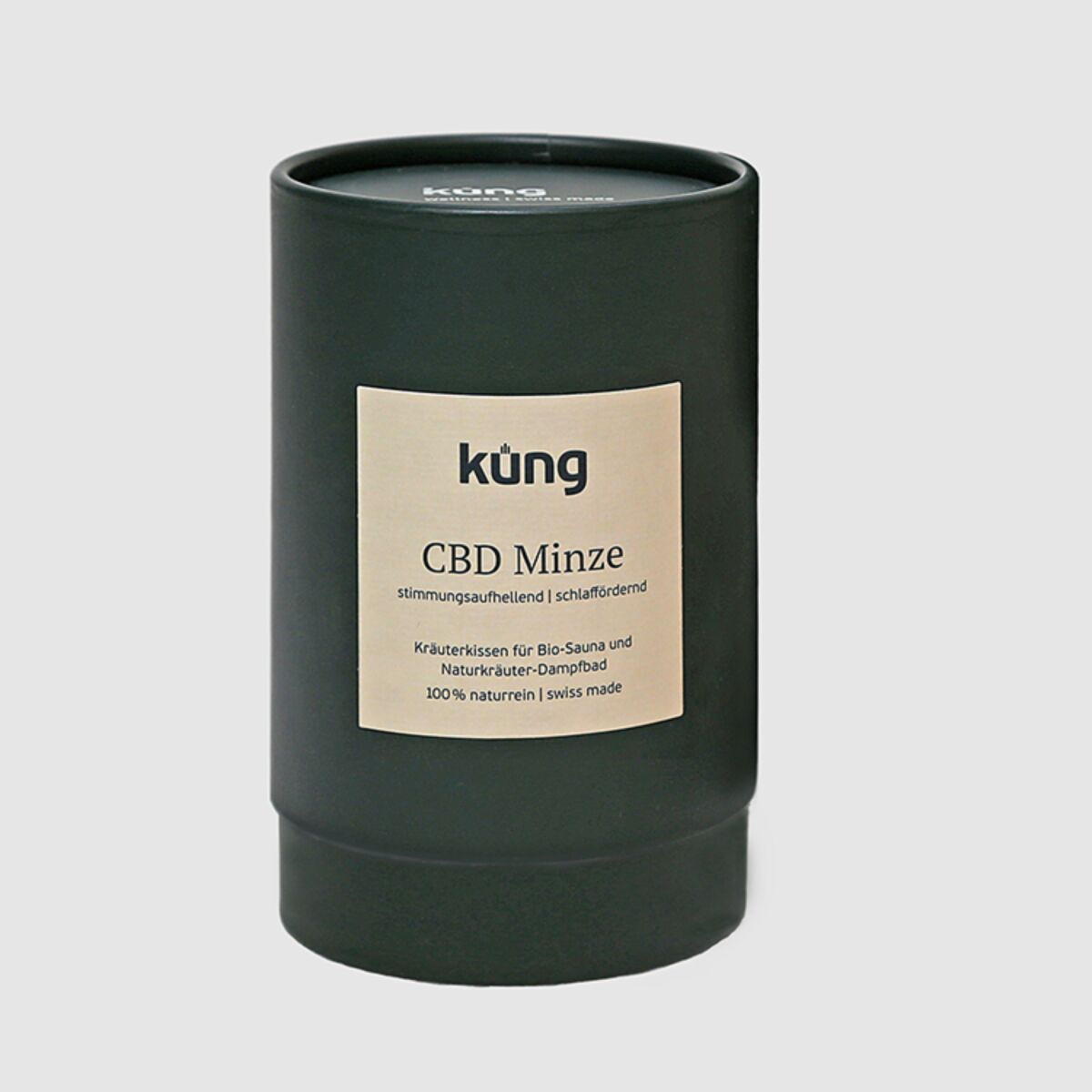
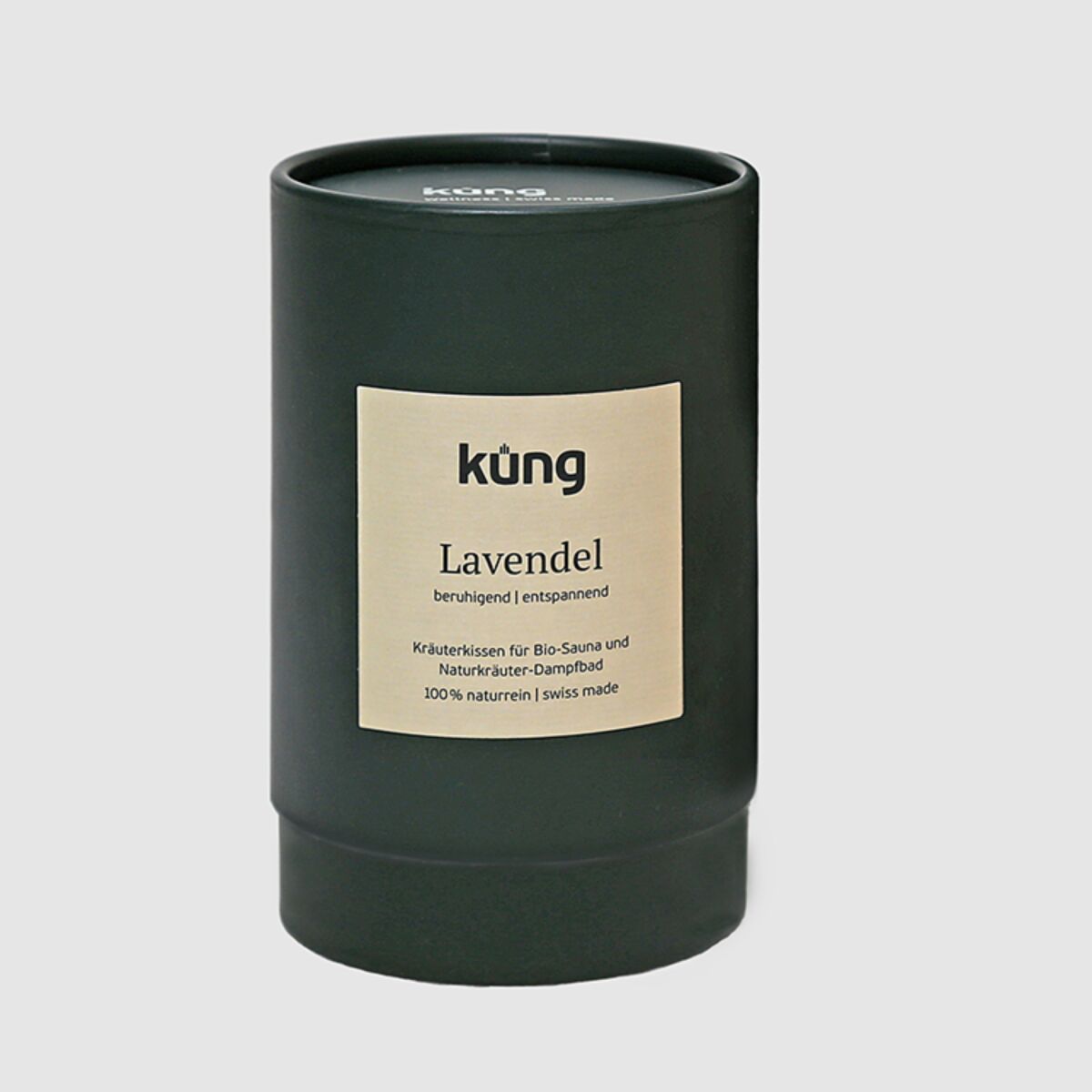
You’ve been supplying Ricola for decades, as well as wellness industry providers like Küng. How do you view these very different worlds?
I find it truly fascinating to see just how many different ways plants can be used. We have our roots in the tea industry, and I’ve always been interested in the other areas where plants can be put to use.
In that regard, I don’t really draw a distinction between a large company like Ricola and the wellness sector, where plants are used in very targeted ways for specific applications. It’s mainly the wide range of possibilities that fascinates me. Plants can be drunk, smelled, experienced, and discovered in a wide variety of ways.
What simple herbal ritual would you recommend to our readers?
Variety. You don’t always have to drink your favorite tea. There are so many different herbs and tea blends to discover.
A targeted tea regimen can do your body good. For example, such a regimen might involve drinking a liter of nettle tea every day. Then you move on to another herb. This way, the tea and its benefits vary, and each herb has time to unleash its healing properties.
Even more inspiration from the world of herbs and fragrances
If you’d like to delve even deeper into the soothing world of natural fragrances and essences, you’ll find other fascinating articles in Küng magazine. The article “Aromatherapy in the Sauna and Steam Room: Pure Relaxation” explains how essential oils and herbs work their magic when combined with heat and steam, and which scents can soothe, invigorate, or provide relief for the respiratory system.
To discover how to give the gift of little moments of well-being, read this article: “Well-Being Gifts: The Best Ideas for Christmas.” Of course, the ideas presented here aren’t just for under the Christmas tree: high-quality herbal teas, scented bath products, luxurious skincare treatments, and elegant accessories offer a little relaxation any time of year.