Naturally healthy with red light therapy
Red light therapy is one of the oldest forms of light therapy and is currently experiencing a resurgence of interest in both the medical and wellness fields. It is important to distinguish between red light and infrared radiation: red light refers to long-wave red light visible to the naked eye, which mainly warms the surface layers of the skin. Infrared radiation, on the other hand, lies outside the visible spectrum and penetrates deeper into the tissue, allowing for more intense heat development and thus other therapeutic effects. In the following article, you will learn everything you need to know about the effects and benefits of red light therapy.
- Infrared and its effect on the body
- Red light and near-infrared – an effective combination
- Arrange a consultation
- Advantages & tips for using red light
- Advantages & tips for using near-infrared (NIR)
- Natural healing with the power of light – personalised solutions from Küng Wellness
- Frequently asked questions about red light therapy
- How often should red light therapy be used?
- Is red light therapy scientifically proven?
Infrared and its effect on the body
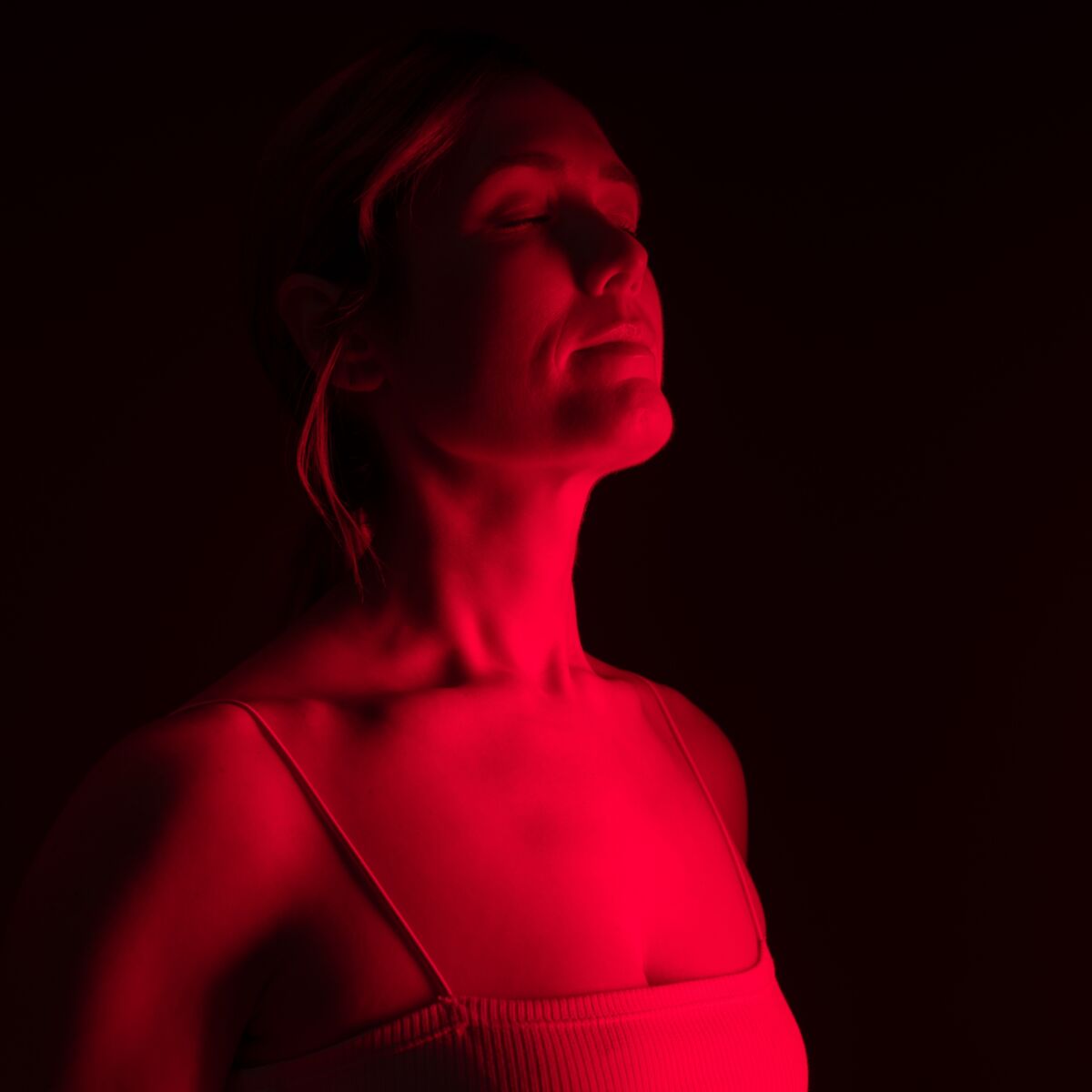
The effect of infrared on the body has been well researched and scientifically proven. It is important to distinguish between different forms of infrared radiation and to clarify that red light is not the same as infrared. Visible red light has a frequency of around 4 THz and a wavelength of 620–660 nm. It therefore still belongs to the visible range of the electromagnetic spectrum and primarily affects the upper layers of the skin. Infrared radiation, on the other hand, lies below the visible frequency limit (hence the name 'infra', Latin for 'below') and covers a range from approximately 3 GHz to 4 THz. Near-infrared (NIR) with a wavelength of approx. 810–850 nm is particularly relevant here. It is invisible to the human eye, but penetrates much deeper into the tissue and is often used in combination with red light for local therapeutic applications such as regeneration or skin treatment.
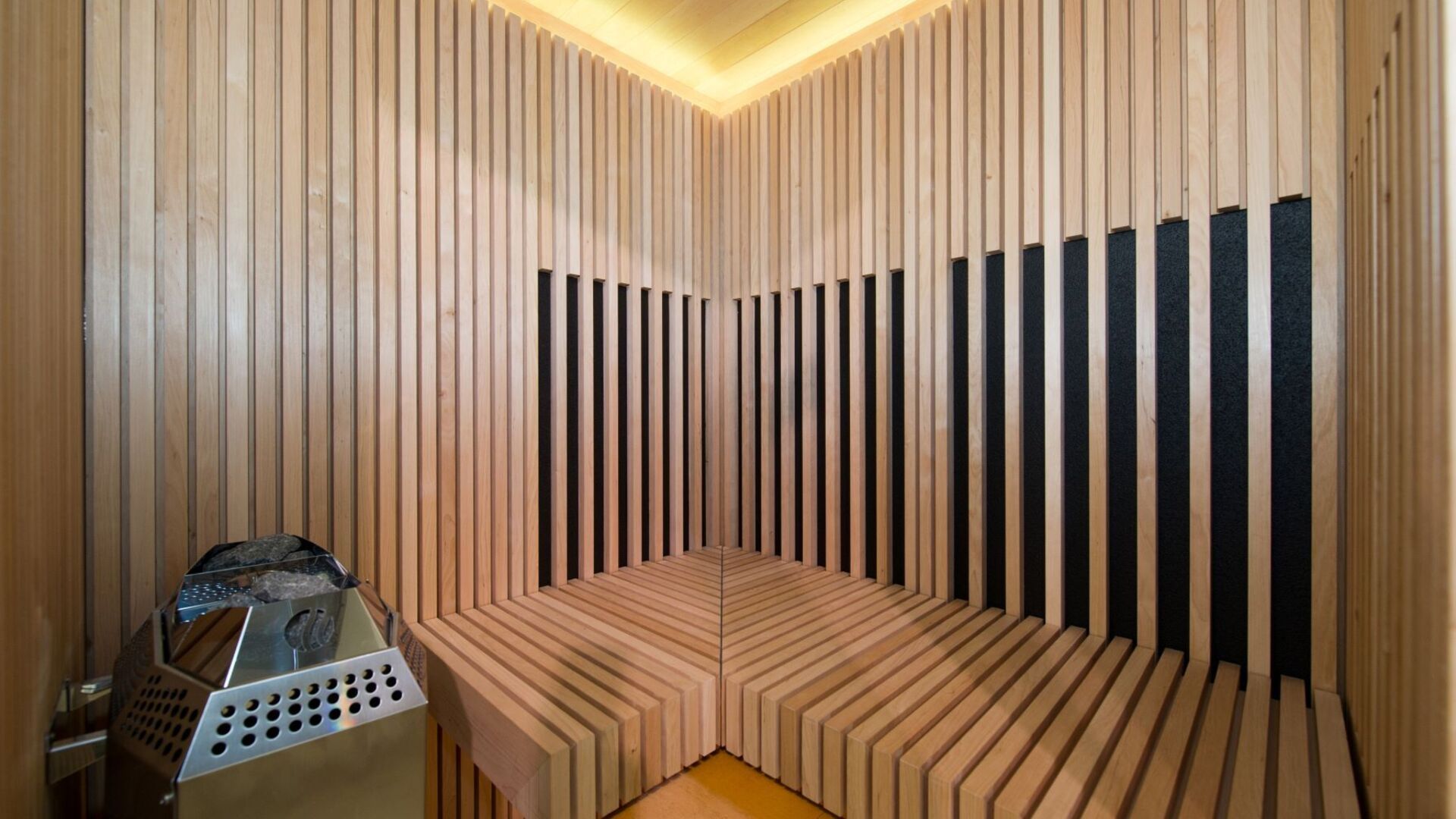
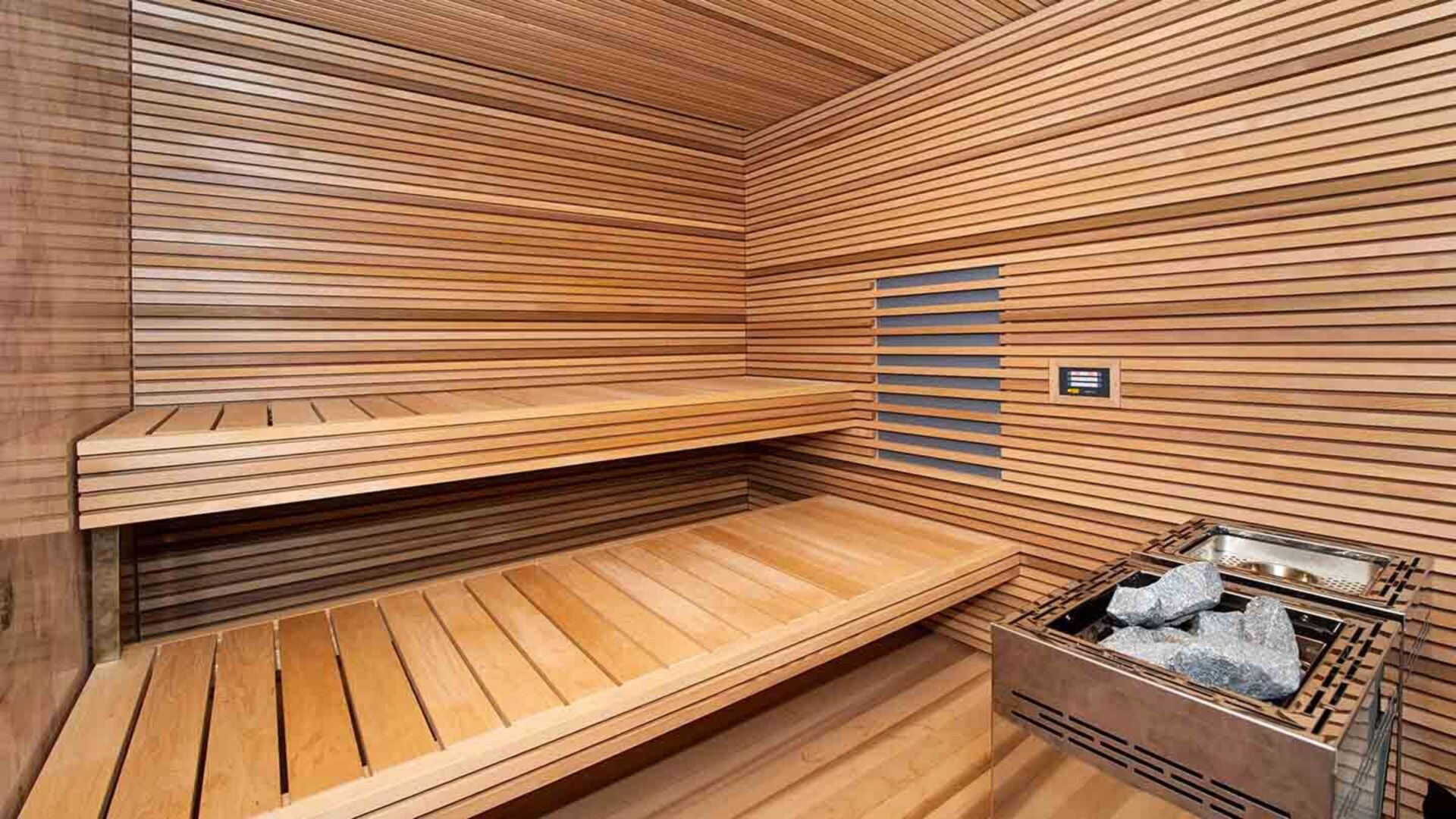
Far infrared (FIR) (wavelength: from approx. 3,000 nm), on the other hand, is primarily used in heat cabins such as infrared saunas. There, it develops an even, gentle deep heat that particularly supports general well-being, relaxation and detoxification processes. This article focuses on red light and near-infrared – the second article deals in detail with the effects of far-infrared in sauna cabins.



Red light and near-infrared – an effective combination
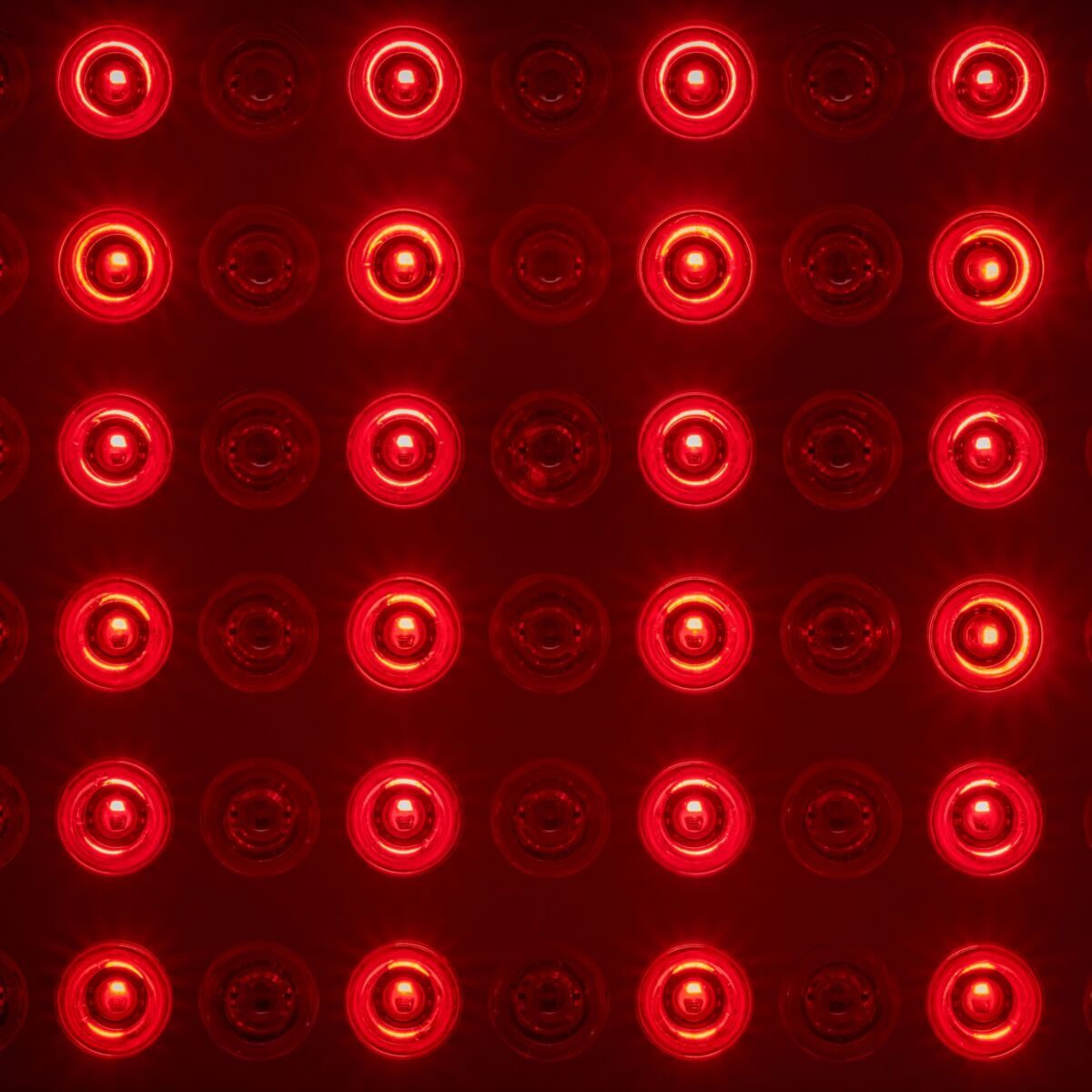
Modern LED therapy devices combine red light (visible light in the range of approx. 620–660 nm) and near-infrared light (invisible radiation in the range of approx. 810–850 nm) in a targeted manner. While red light primarily affects the upper layers of the skin, stimulating cell activity and collagen formation, near-infrared penetrates much deeper into the tissue, where it has a circulation-promoting, pain-relieving and regenerative effect. This synergistic combination enables holistic therapy – ideal for local applications on the skin, muscles or joints.

Arrange a consultation
We look forward to assisting you in planning your personal oasis of well-being.
Livia Keller
Consulting & Sales
Arrange a no-obligation consultation now
phone +41 44 780 67 55 email wellness@kueng.swissUsing red light correctly – how to get the most out of the therapy
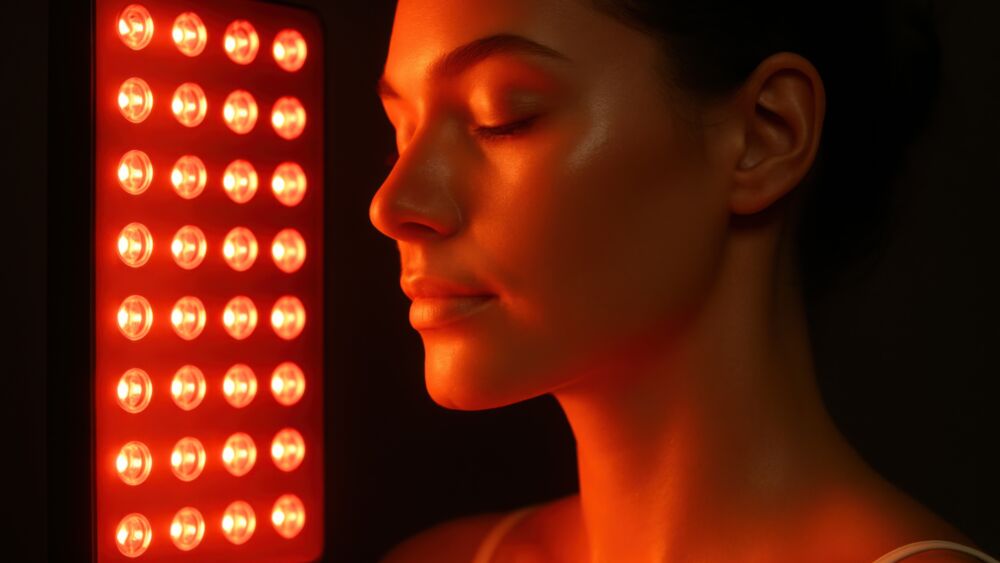
In order for red light therapy to reach its full potential, it is important to use it correctly. Three factors are crucial: the quality of the device used, the appropriate wavelength, and safe, conscious handling of light, heat and radiation. Only when these aspects are coordinated can the deep-acting power of red light and near-infrared unfold its beneficial effects in a targeted manner.
Noticeable effects are particularly evident with regular use – ideally 10 to 15 minutes daily or several times a week. Important: The distance from the device should be adjusted individually (usually 20–30 cm), and the eyes must always be protected from intense light sources.
Advantages & tips for using red light
- Superficial cell activation: Stimulates cell activity in the upper layers of the skin – ideal for supporting skin regeneration.
- Collagen promotion & skin improvement: Can stimulate collagen formation and thus have a positive effect on skin structure and elasticity.
- Supportive pain reduction: helpful for mild discomfort, tension or superficial inflammation.
- Gentle warmth for your home: easy to use with red light lamps or LED devices – often included in infrared saunas too.
- Combine wellness treatments: particularly effective in combination with a bio sauna – e.g. for skin care or relaxation after stressful days.
Advantages & tips for using near-infrared (NIR)
- Deep-acting heat: Penetrates deeper into the tissue than red light and unfolds therapeutic effects there, e.g. for muscle pain or tension.
- Promotes blood circulation and microcirculation: Supports cell metabolism and can accelerate healing processes in tissue.
- Anti-inflammatory effect: Helps the body break down metabolic waste products – without medication or invasive procedures.
- Pain reduction for chronic conditions: Particularly suitable for deeper joint and muscle problems.
- Ideal after physical exertion: can be combined with a sauna after exercise to support regeneration and prevent muscle soreness.
- Can be integrated into modern therapy devices: High-quality LED panels and combination systems use near-infrared light specifically for local treatment.
Just a few minutes of daily use is enough to achieve noticeable effects. The combination of targeted radiation, soothing warmth and natural therapy makes red light therapy a versatile companion for greater well-being – with no effort required, but with lasting benefits.
Who is red light therapy suitable for – and when is it not suitable?

Red light therapy is particularly effective for muscle tension, joint pain, skin irritations and general regeneration. The targeted use of red light stimulates blood circulation, supports cell metabolism and promotes long-term physical well-being – especially for people with an active lifestyle or chronic complaints.
Despite the gentle and natural effect of red light, there are also some contraindications: pregnant women, people with increased sensitivity to light or certain pre-existing conditions should seek individual advice before use. Professional advice – for example, as part of a tailor-made sauna construction in Switzerland with individually tailored light and heat concepts – provides clarity and safety in this regard.
Natural healing with the power of light – personalised solutions from Küng Wellness
Red light therapy and infrared therapy – especially in the near-infrared range – use targeted radiation to support biological processes in the body. While visible red light (620–660 nm) mainly has a superficial effect and stimulates cell activity in the skin, near-infrared radiation (approx. 810–850 nm) penetrates deeper into the tissue, where it promotes the natural regeneration of skin, muscles and deeper structures.

The treatment is simple, has few side effects and promotes general well-being without the use of medication. To ensure this therapy can be perfectly integrated into your home, Küng Wellness offers tailor-made infrared saunas and infrared cabins that primarily use far-infrared radiation – ideal for gentle, even deep heat throughout the entire body. Each model is individually tailored to your spatial conditions and aesthetic preferences.
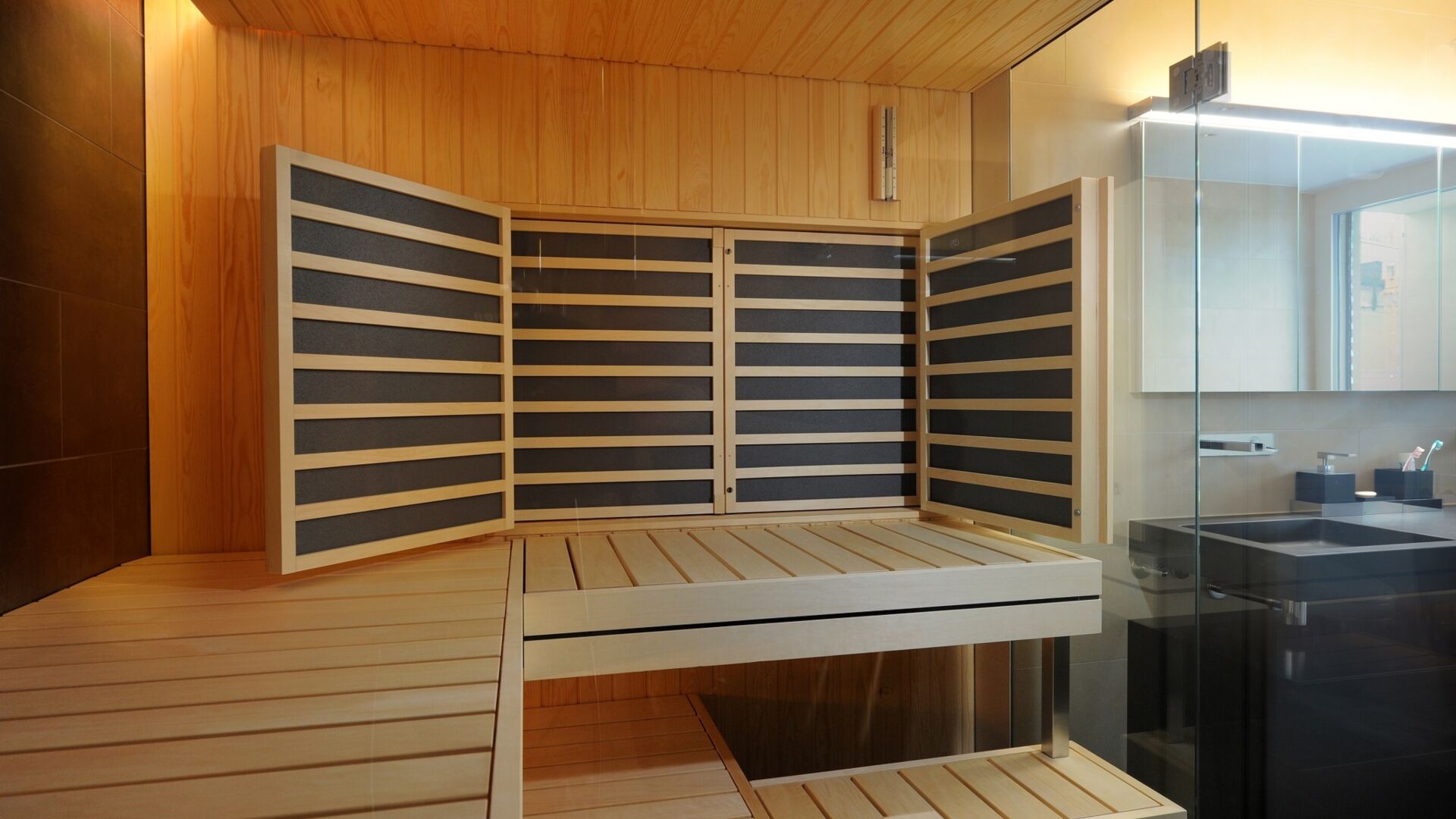
Optionally, the saunas can be equipped with additional panels for red light and near-infrared light to support specific therapeutic effects such as skin regeneration, muscle relaxation or pain relief. With the innovative Infraflex® heat panels, existing saunas can also be flexibly upgraded – allowing you to combine soothing warmth with targeted deep penetration for a lasting effect.
Frequently asked questions about red light therapy
Which wavelengths are good for the body?
The effect depends heavily on the wavelength of the light – and here it is important to make a clear distinction:
- Red light (620–660 nm) is visible light. It acts on the upper layers of the skin, promotes cell activity, stimulates collagen production and can improve the appearance of the skin.
- Near-infrared (810–850 nm) is invisible light that penetrates much deeper into tissue. It improves blood circulation, alleviates inflammation and supports the regeneration of muscles and joints.
- Far infrared (from approx. 3,000 nm to 100,000 nm) is typically used in heat cabins and infrared saunas. It generates gentle deep heat, has a relaxing effect, promotes general well-being and is often associated with detoxification effects.
Important: Red light and near-infrared light can be used for specific medical and therapeutic purposes – for example, via LED devices, columns or masks. Far-infrared light, on the other hand, is effective in sauna applications (e.g. with Infraflex® panels).
What is the difference between red light and infrared light?
- Red light is visible light in the lower spectrum of the infrared range and has a more superficial effect – ideal for skin care and cell activation.
- Near-infrared light is invisible, penetrates deeper into the tissue and has stronger regenerative and pain-relieving effects.
- Far-infrared light is used in heat cabins and generates gentle, widespread heat – for relaxing treatments without localised deep penetration.
How often should red light therapy be used?
The recommended application time is 10–15 minutes, approximately 3–5 times per week – depending on individual needs and treatment goals. Daily use may also be beneficial for acute symptoms. Important: Do not forget to protect your eyes, especially when using intense LED panels.
Is red light therapy scientifically proven?
Yes. Numerous studies confirm the positive effects of red and near-infrared light on cell regeneration, wound healing, pain relief and skin improvement. This form of light therapy is used successfully, particularly in sports and pain therapy as well as in aesthetic medicine – it is gentle, non-invasive and has virtually no side effects.