Heat, fragrance and a bit of theater: infusion master Dani Gufler
In this interview, sauna infusion master and Küng project manager Dani Gufler explains how a ritual becomes a small spectacle. And why Switzerland still has a lot of catching up to do.

- What is an Aufgussmeister?
- Which infusion technique is your favorite?
- How did you become an infusion master?
- How do you prepare yourself mentally and physically for a big infusion?
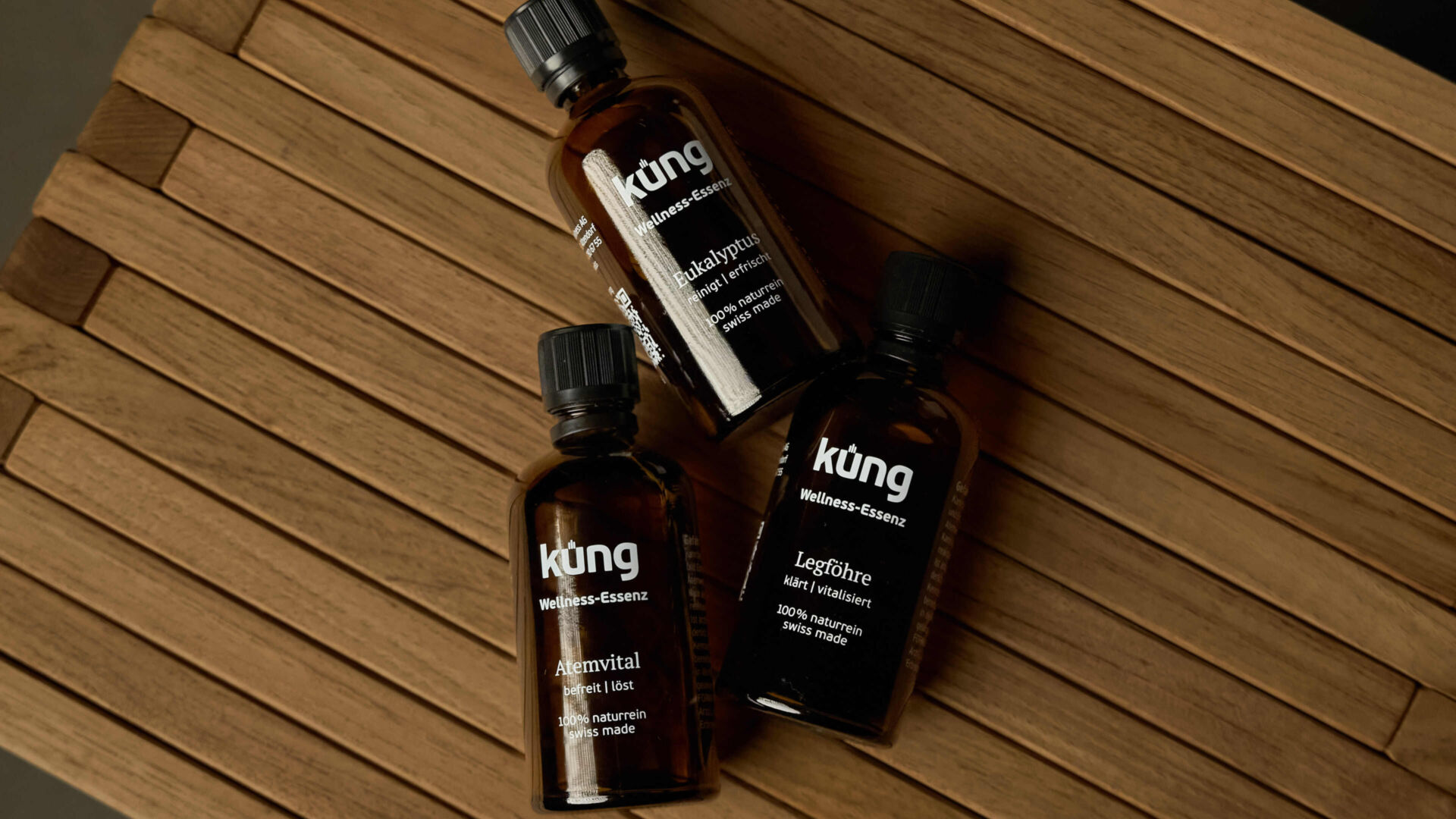
- What role does the fragrance play in the infusion?
- What distinguishes an "ordinary" infusion from a really good one?
- What effect can an infusion have on body and mind?
- Many guests are looking for a show effect, others for peace and quiet. How do you combine the two?
- What tips would you give sauna beginners so that they can experience the infusion consciously?
- How has the infusion culture changed in recent years?
What is an Aufgussmeister?
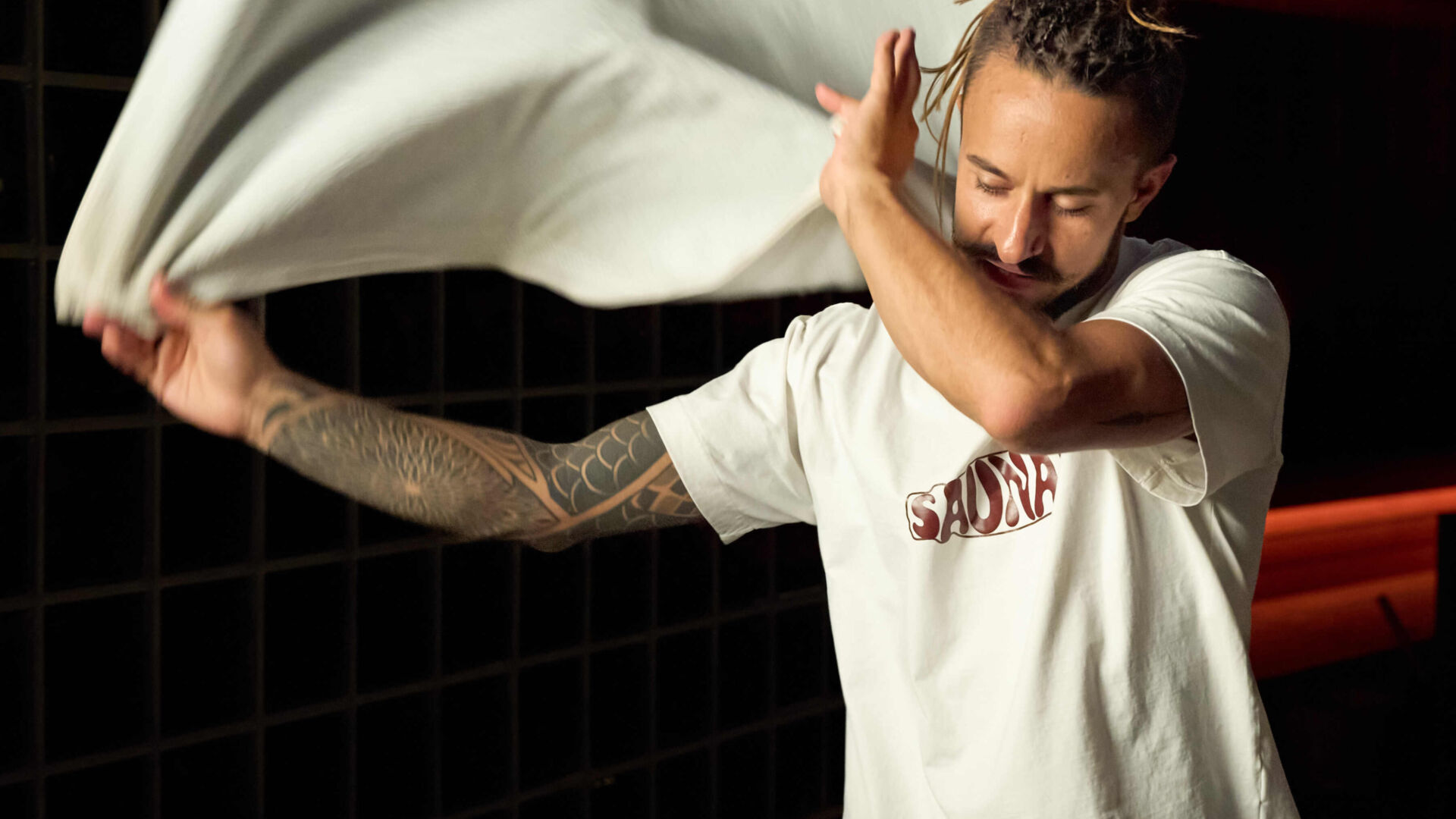
Essentially, I am responsible for celebrating the sauna infusion: A ritual that usually lasts between ten and fifteen minutes. There are different types: the classic infusion with music and fragrances such as forest notes, flowers or citrus, the relaxation infusion, which takes place very quietly and the guests lie on the wooden benches, the freestyle, in which many techniques and tricks are shown, and of course the show infusion - a kind of small theater play in the sauna, with costumes, stories and coordinated essences. But it's always about moving the heat and air in such a way that the guests feel it intensely.
How did you become an infusion master?
I come from South Tyrol, where I worked as a personal trainer in a five-star hotel. My colleagues were already sauna masters there. One day, the person in charge simply handed me a towel and a bucket. And then I was hooked. I attended courses, learned the basics and then it was all about training, practising and gaining experience. Incidentally, show infusions have long been established in South Tyrol, whereas in Switzerland I was initially amazed at how classic and reserved the sauna culture still is.
How do you prepare yourself mentally and physically for a big infusion?
With the classic infusions, everything is routine: I choose the music and get started. It's different with show infusions: I plan very precisely when I'm going to use which towels, when ice comes into play and what the transitions are. It's like a little choreography.
What distinguishes an "ordinary" infusion from a really good one?
Good question. I think it's the passion and professionalism of the infusion master. Anyone can pour water on the stones. But the connection with the guests, the feeling for the moment - that's what makes the difference.
What effect can an infusion have on body and mind?
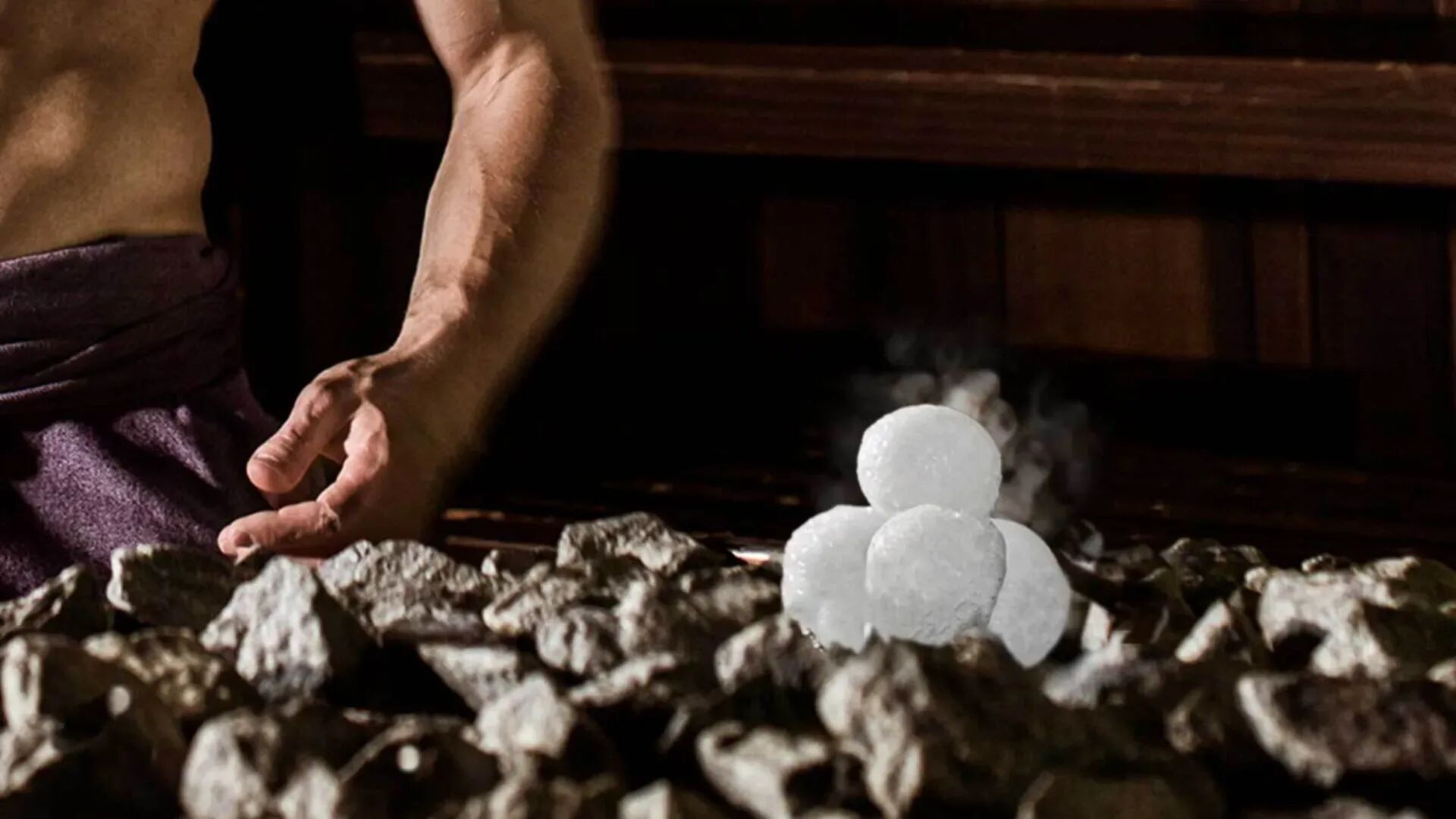
It stimulates the circulation, helps the body to remove toxins and can be wonderfully relaxing. However, it is important that you experience it consciously: not on a full stomach, but with sufficient fluids and rest afterwards. Cooling down is key: whether with a shower, fresh air or, if possible, a snow chamber. The change from 85 degrees in the sauna to minus 12 degrees is an incredible experience.
Many guests are looking for a show effect, others for peace and quiet. How do you combine the two?
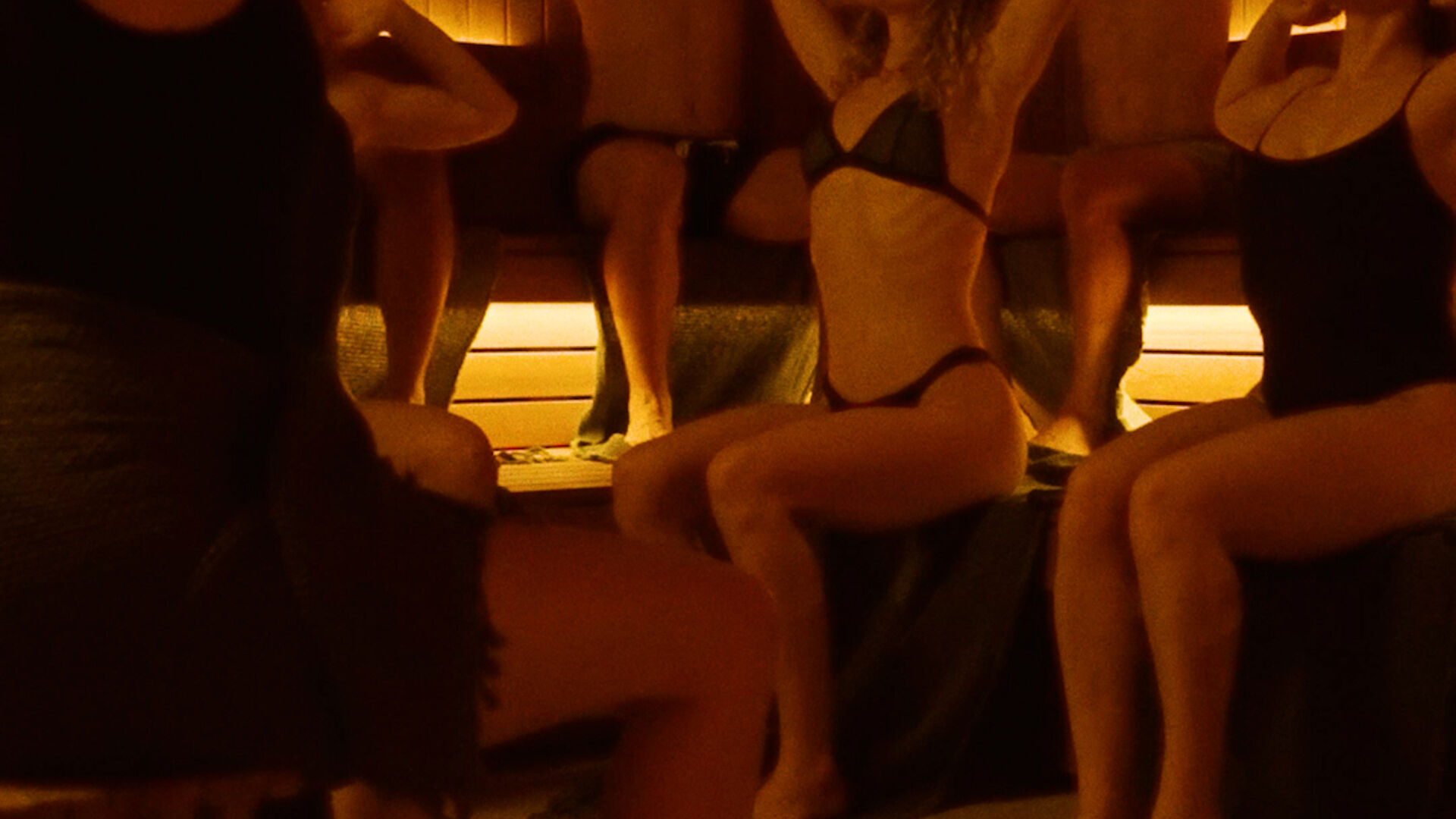
By varying the offer. Those who love stories and action will enjoy the show infusion. Those who prefer to let go can enjoy a relaxing infusion. The great thing is that there is a suitable form for every mood.
How has the infusion culture changed in recent years?
Everything used to be very classic. With the championships came show and freestyle - sometimes so much so that it was more about tricks with the cloth than the air in the sauna. Now the scene is developing back to the essentials: making the heat and the fragrance tangible. For me, that's a healthy balance.